by David Glenn | Feb 23, 2017 | CRESTICO

The Smart Home is the trend of the future. Our world is becoming more computerized and interconnected, and many of the everyday devices that share our homes are beginning to take part in what’s become known as the Internet of Things. In the past several years, remarkable advances in technology have allowed microchips to be made smaller and more cheaply, and easily integrated into some of our most mundane household objects.
We’re growing more sensitive to the increasing cost of energy and the environmental impact of choices that we make as consumers, and the market is demanding higher-efficiency and lower-cost options for the many machines that work for us on a daily basis. Advancements in product design have helped maximize the usage of electricity, gas, and water in our home appliances, and computerization has allowed those advances to go even further. These new technologies are enabling our devices to optimize energy usage, and they’re also providing extra measures of comfort and convenience in our busy lives.
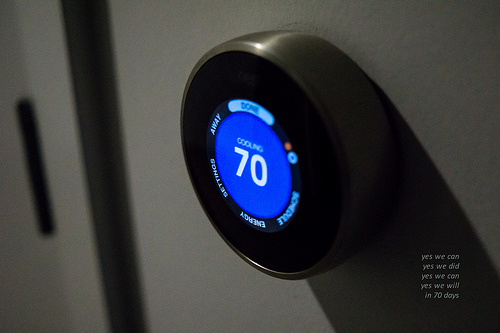
Climate Control
Smart thermostats allow you to remotely control your climate systems, such as heating, cooling, and humidity, as well as set schedules. Some systems can communicate with your phone’s GPS to detect when you’re on your way home and activate systems to ensure that you’ll be comfortable from the moment you walk in the door. Smart vents are able to work in conjunction with your HVAC systems to further optimize climate control, closing off airflow to rooms that are rarely used or controlling temperature room-by-room.
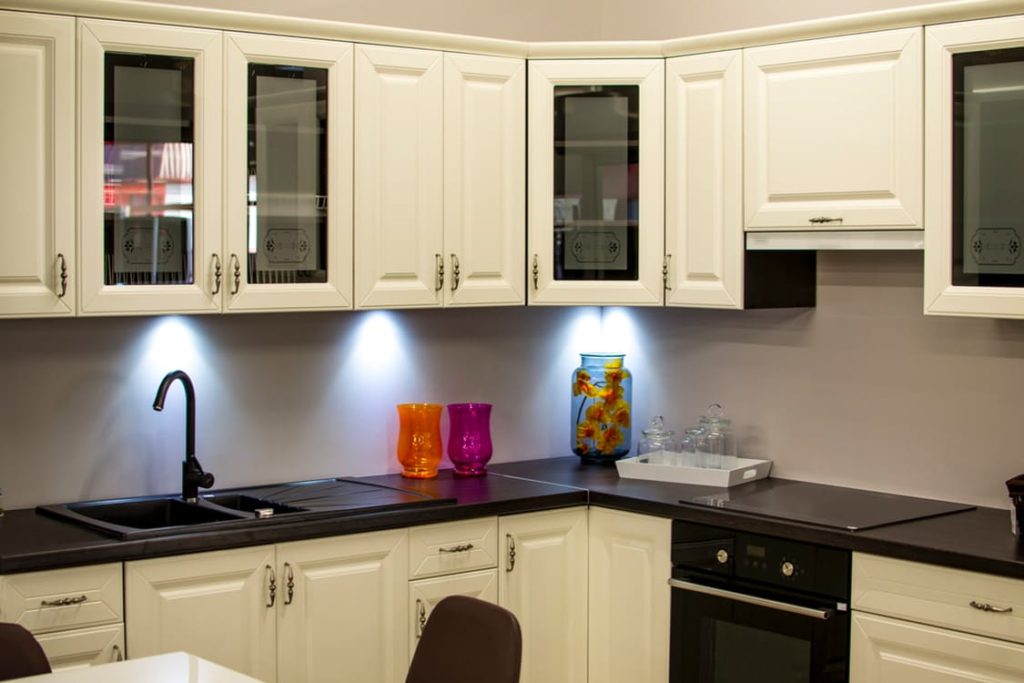
Intelligent Lighting
Like an advanced version of those old-fashioned dial timers we used to plug our lamps into, smart lighting controls allow users to set schedules to turn individual lights on or off at certain hours. Beyond that, new technology enables sensors to detect when you’ve entered or exited a room and adjust lights accordingly or fine-tune the spectrum of the lighting to perk you up in the morning and calm you down as bedtime approaches in the evening.
Security Systems
There is a multitude of wi-fi enabled security systems on the market which allow the user to remotely view security camera feeds and other sensors, some of which are even equipped with cellular connectivity to provide an extra measure of safety in case your wi-fi connection fails. Satellite internet providers that offer advanced end-to-end encryption, such as BusinessCom, can also provide an added measure of security.
Gone are the days when you may have headed to work in the morning to realize halfway through the day that you forgot to lock the door on your way out. Now, with a smart door lock, you can simply pull out your phone, tap the button, and your home is securely locked. Perhaps that scenario will never occur because as you walked out the front door and out of range of your home wi-fi network, your phone sent a signal back to the house and locked the door for you!
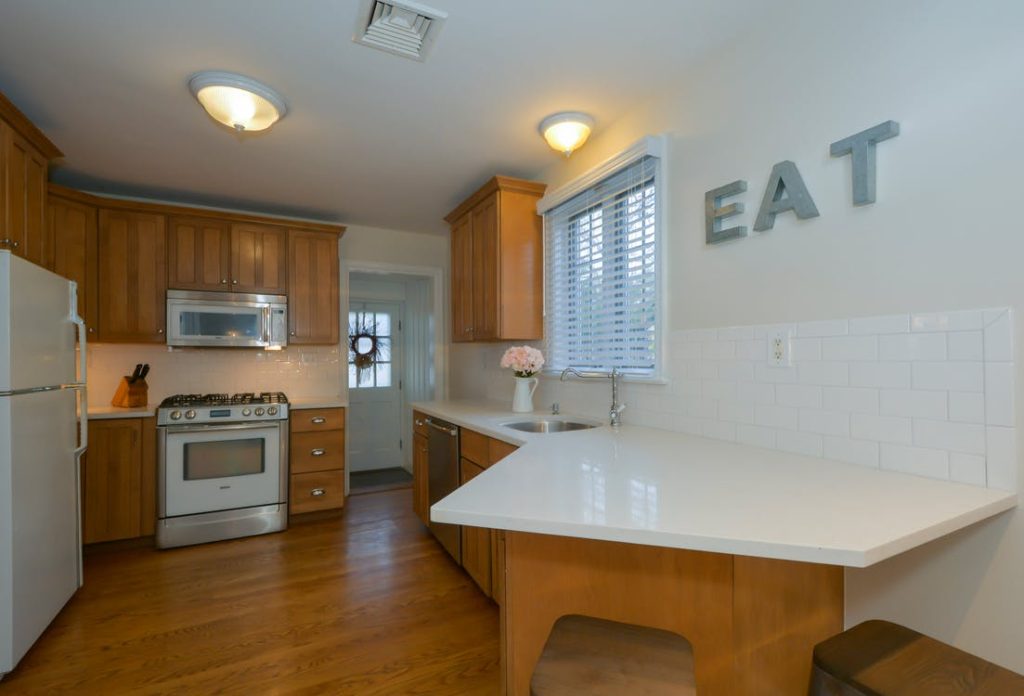
Kitchen and Convenience
You’re at the grocery store and can’t remember whether you needed milk. Just pull out your phone and open the fridge to check! Smart refrigerators equipped with wi-fi cameras and information panels are just a single example of the plethora of kitchen and home gadgets that can make your life easier. Coffee makers, ovens, deep fryers, juicers, and even trash cans can be connected to the Internet of Things!
We’re only at the beginning of the smart home revolution. Many of these devices are very reasonably priced, and as the trend goes, they will drop in price as time goes on. Even though we’ve seen amazing advances in Internet of Things technologies, they’re still in their infancy. Only time can tell what’s next!
by David Glenn | Feb 22, 2017 | CRESTICO

Entertaining guests in your home can be a superb method of meeting new people and getting to know them more intimately. Whether you’re entertaining coworkers or a group of friends from a local meet-and-greet, it’s crucial that you have the proper home options to lend to a fascinating evening. These home options are sure to provide hours of entertainment, taking the load off of your shoulders by not having to worry that your house guests are bored and ready to leave. While incorporating these options into your house can take time and money, they’re critical for families that host often.
Home Theater
Putting a pint-sized movie theater in your home is a great way to watch movies and television on the big screen, lending to an evening full of enjoyable entertainment. When setting up the home theater, you should pick out comfortable theater seats that are spacious and provide superior comfort. Add enough seating for the whole group of guests, preventing anyone from having to sit on a hard chair or the floor.
Wet Bar
Alcohol is always a great entertainment component of parties and get-togethers. Instead of just buying a bottle of wine and calling it a day, try setting up a wet bar in the most popular spot in the home. This allows guests to make their own drinks, having full access to a wide variety of alcohol, additives and mixes. If you’re looking to bring a little more variety to the bar, adding a slush machine or an ice shaver is a great way to give your patrons some extra choices while creating a more formal environment.
Pool Table and Arcade Games
Buying a pool table and putting it in any room of the home is a sure way to provide a fun night to your guests. Arcade games and pinball machines can be cheaper than you think, increasing the entertainment facet of your home. Be sure to have a variety of sticks and mounts so that multiple people can play.
Hot Tub
Purchasing a hot tub does not have to be expensive, as stores have a range of inflatable tubs that are easy on the budget and just as advantageous. Hot tubs are great for parties because they allow guests to mingle, talk and laugh while relaxing in a pool of calming bubbles. Add in the alcohol from the wet bar and you have a spot people won’t want to leave.
Buffet-Style Kitchen Area
While this may not necessarily be an entertainment element, a buffet-style kitchen area allows for a more enjoyable dining experience in your home. Set out hot plates, put plenty of dishes on the island and let your guests indulge. Try adding a fondue station so guests can dip cheeses, strawberries, breads and bananas into delicious melted chocolate or cheese.
Surround Sound Music System
They say music is the life of the party and without it, you just have dull, dreary conversation. Don’t just add music to the space by blaring your iPod. Install a surround sound system and connect your device to it. You’d be amazed at how effervescent good quality music can sound from the right speakers.
Outdoor Fireplace and Seating
You don’t have to spend a lot of money to spruce up your outdoor living space. A homemade fire pit works just as well as the expensive in-wall fireplaces you’ve seen in the past. Add in plenty of comfortable seating and you have a soothing outdoor entertainment spot perfect for guests of any age.
Keeping your guests entertained not only makes you feel better as a host or hostess, but it encourages them to want to come back. If their experience in your home was boring and dull, they’re not going to want to come back no matter how much they like you. Adding these entertaining home options to your property does not have to cost thousands of dollars or take months of your time. For example, you can buy a pool table second hand or build your own wet bar from scratch without getting a contractor involved. You might even find that these small changes make the home more fun for you and your family when guests aren’t there while increasing the value of your house investment.
by David Glenn | Feb 17, 2017 | CRESTICO
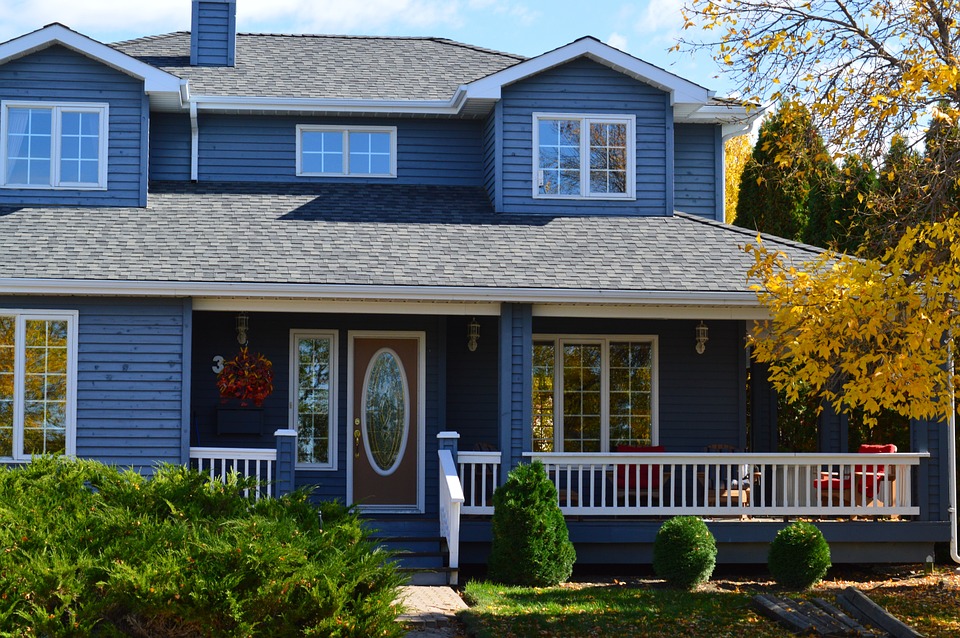
One of the more common ways to build wealth over time is owning a home. As owners pay down the mortgage, they are able to build up equity. Should they decide to sell the home, they can then tap this equity. The homeownership rate in the US was 63.8 percent in October 2016. While this was down from what it was a few years ago, this statistic shows that owning a home is still a popular way to build wealth.
It’s recommended that prospective buyers save up 20 percent of the home’s value as a down payment. This will allow the buyer to avoid private mortgage insurance, which can be quite expensive and only protects the lender. FHA loans only require a 3.5 percent down payment, and loans via the USDA or the VA require no money down. If you’re not in a rural area or a veteran, here are some ways to build up the down payment that’s necessary to buy a new home.
Live In Affordable Accommodations
When it comes to the biggest expenses that most people will have on a monthly basis, the cost of lodging will usually come up near the top of the list. The average cost of rent in the United States is $1,231 a month. That’s more than a quarter of the median family income. The best way to save money on rent is to find a place to live that’s on the low side of the local market rate. While there won’t be as many amenities in cheap apartments or homes, the money that’s not spent in the way of housing can go toward savings.
Just getting a cheap apartment is not the only way to save money toward a down payment. Getting a roommate can also help cut the cost of rent and free up even more cash flow for savings. For example, a three-bedroom apartment or house that costs the median of $1,200 could cost only $400 a month if one person rented out each bedroom. Put in some twin beds, and the cost could be lower. Even a married couple could rent out a room or two to save on costs. Every dollar saved on rent can then go toward saving up for a future down payment.
Cut Other Expenses
Americans are notorious for spending more money than they need to. Whether it’s a daily latte or cable television, people in the US confuse wants and needs. Basic food, lodging, clothing and transportation are necessary to live and have a job. Most everything else is a want, and there are ways to cut down on these expenses. For example, it’s not necessary to have a super expensive cell plan with unlimited data. There are prepaid options that are pretty cheap. Additionally, it’s possible to cut down on eating out or save some money by opting for Netflix or Hulu rather than an expensive cable package with every pay channel known to man. Every dollar saved from cutting out unnecessary expenses can then go toward a down payment.
Get A Side Hustle
Sometimes, one job just doesn’t pay enough to save much. This is where a side hustle can come in quite handy. There are entire online communities that are dedicated to helping people find side hustles that can bring in extra income. Every dollar earned in excess of basic living expenses can go toward the down payment. Those who can keep up the side hustle after signing off on a mortgage can even accelerate the time needed to pay off the loan.
Regardless of whether a person thinks a down payment for a new home is in the cards, there are steps that he or she can take to build up some savings. It will take time, and it’s a good idea to save up for closing costs and a deductible for home insurance claims. However, over time, building up savings for a down payment can be done by taking positive steps toward the goal.
by David Glenn | Feb 16, 2017 | CRESTICO
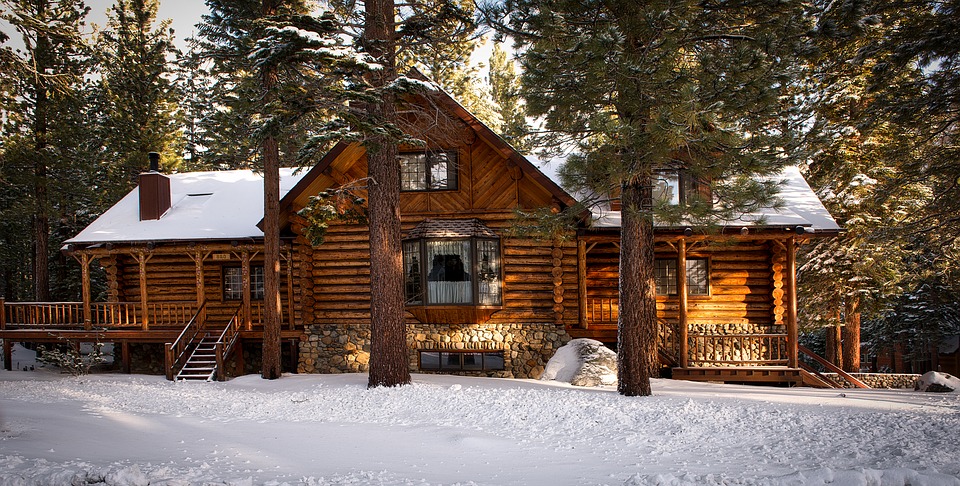
A winter cabin provides you with a place to escape the hustle and bustle of daily life. Rural America offers many small towns with the conveniences of a bigger city as well as the solitude and quiet that you desire. When preparing to build a winter cabin, consider one of these three top communities.
Black Mountain, North Carolina
Black Mountain, North Carolina, was ranked as the best place to build a log cabin by Log Cabin Homes Magazine in 2008. As the home of about 7,700 people, Black Mountain is situated just 11 miles from Asheville. If you need supplies or are looking for a night out on the town, this makes Black Mountain a convenient place to build your cabin. Black Mountain is in the Great Smoky National Mountains and offers proximity to the Appalachian hiking trails.
The Black Mountain Center for the Arts is a premier destination for Appalachian culture. You can stop in and take a class on how to turn fleece fabric into a warm blanket for snuggling near the fireplace in your winter cabin. The area also hosts many small festivals, such as the Circle of Lights during the wintertime. Land prices are affordable, and the city provides basic services such as septic and electricity even out on the remote stretches of roads.
Houghton, Michigan
Houghton, Michigan, is the largest city in Copper County and is the county seat of Houghton County. Split across these two counties, the city has an estimated population of 7,708 as of the July, 2010 U.S. Census. Houghton is located on Michigan’s Keewenaw Peninsula, which juts into Lake Superior. This mostly rural area is a delight for anyone who enjoys nature. Houghton is recognized as one of the premier “Winter Cities” in the United States. The area receives an average of 218 inches of snow each year and has an average of 101 days with below-freezing high temperatures.
Building a winter cabin in or around Houghton affords you the opportunity to go ice fishing, skating or snowshoeing. Other popular winter sports such as skiing are offered at a wide variety of resorts. Hunters can also enjoy the large herds of deer living in the wooded areas. Houghton is consistently ranked as one of the best 100 small towns to live in. Houghton also offers a regional airport for easy access to larger cities in the area, such as Green Bay, Wisconsin and Duluth, Minnesota.
Bemidji, Minnesota
Bemidji, Minnesota, is the biggest city between Grand Forks, North Dakota and Duluth, Minnesota. The community is home to about 14,594 people as of the 2015 U.S. Census estimates. Bemidji is known for its iconic statues of Paul Bunyan and Babe, the blue ox. The legend of Paul Bunyan the logger is a testament to how well the area is suited to building a winter cabin.
There are many secluded areas to build your winter cabin near Bemidji, such as near Lake Bemidji State Park. The park offers opportunities for cross-country skiing, sledding, snowmobiling and other sports. You will also be able to make the short drive to the Mississippi River’s headwaters. During the wintertime, you can spot deer, elk, wolves and other wildlife. Known both as the first city on the Mississippi River and as the curling capital of the United States, Bemidji features 500 miles of snowmobiling trails and 99 miles of cross-country skiing trails.
Each of these areas offers spectacular natural areas, plenty of spaces for winter sports and outdoor activities and modern conveniences to make your wintertime adventures more comfortable. All of these areas are affordable, allowing you to buy a few acres or more. These three great locations will allow you to achieve the dream of building your own winter cabin for weekends and vacations. These places will also be a joy to experience during other seasons of the year.
by David Glenn | Feb 1, 2017 | CRESTICO
You have just purchased a beautiful new home and are concerned with how safe the area is going to be for members of your household. Some important tasks that you may want to perform before the big moving day may include the following:
Subscribe to the Local Publications
As soon as you are even considering a home in a specific location, begin reading all of the local publications. Read about all the details of your new neighborhood so you can read firsthand the pros and cons of that specific area. Pay special attention to crime reports, accidents, and robberies, as well as the number of homes for sale and for rent.
Listen to Local TV and Radio Stations
Choose television and radio stations that focus on this area. This way you will get immediate and first-hand reports of any safety or crime issues that may occur. Listen for any reports that pertain to areas that your family may frequent such as parks, schools, and sports facilities.
Crime Rate
It’s important to be checking crime statistics of your subdivision or housing development area. Many housing units will have websites such as SpotCrime.com or CrimeReports.com that list all the percentages on home invasions, car thefts, graffiti, and more. Review the website for repetitious complaints and common neighborhood issues.
Converse with a Local Police Officer
Make a point of having a conversation with a local police officer who may be patrolling your new home base. Ask about current crimes, break-ins, and other safety issues. If you have small children, especially inquire about any incidents that may pertain to youngsters or areas where youngsters may play.
Attend Neighborhood Watch Meetings
Check to see if the area has a neighborhood watch. If so, attend a few of their meetings before moving in. This will give you an honest and clear picture of exactly what the issues are, if any, and how they are handled. After you have settled into your new home, it may be in your best interest to join the neighborhood watch, so you will always have a direct communication to any issues that may occur near your residence or your children’s schools.
Observe Surrounding Homes
Take a drive down nearby streets and roads and examine the yards and homes of your new neighbors. Do they casually leave toys and bicycles lying on the lawns, or do they lock everything up? Do children play unsupervised in yards, or is an anxious mother or older sibling always in sight? Are cars and other vehicles in good condition, or do they have many indents and pings? Are there many homes for rent or for sale? Looking at signs such as these will tell you volumes about your new area.
Identify Local Sex Offenders
Cautious parents can now get address updates and locations of registered sex offenders through the Department of Justice National Sex Offender Public Website. You can search the maps provided for the locations of these offenders so you know which areas to avoid.
You can ask your realtor about any problems in your new location, but just remember, his main goal is to sell you a home and not to scare you off with local crime reports and safety issues.
Checking a new neighborhood for crime and safety is important. However, it is best to do this before signing on the dotted line for a new house. If you have already purchased the home, it will alert you to tasks that may need to be performed and changes that need to be made such as security cameras, new locks, fencing, and sufficient lighting.