
Common Features of the Top Real Estate Investment Properties

Investing in Real Estate is a great way to build wealth over time. Not only do investors get monthly cash flow from renting out properties, but they are also able to access the equity accumulation over time. With that in mind, one of the most important parts of the investing process is finding a home to rent out. You have to think about many years down the road before buying an investment property. A lot of the best rental properties from a financial perspective have common features. Here are some of the most important features to look for when buying an investment property.   Safe Location When looking at a potential real estate investment, you have to look at how to increase the value of the property over time. While renting it out, the person who lives in the property is paying rent. This will usually cover the mortgage payment and then some. In order to increase the value of the home, it has to be in a good area. Although you can spend a lot of money to upgrade your home’s value in the short term, you are really looking for appreciation many years out. Finding the right location is key. You may even have to pay more for a home in a good area, but you should look for a home on the bottom end of the spectrum. Never have the nicest house in the neighborhood if you want to build wealth through your investments.   Close to Work Another important feature of the top real estate investment properties is that they are close to work for people living there. In many places around the country, most of the jobs are in the city. Few people can afford to live in the city, so they look just outside the city in order to find an affordable place to stay. The problem is that no one wants to sit in traffic for hours a day just to get to work.   The sweet spot for a location on a home is to find something that is relatively close to the places that people work. However, you should also price it in a way that it is still much more affordable than living directly in the city. This is why so many cities are seeing a huge increase in rent prices over the past few years. The demand for these rental homes has never been higher in many parts of the country.   Upgraded Home Options There are also upgraded home options that many people look for when choosing a home. Most of these options are easy to put in, and they greatly increase the chance of your home’s value going up over time. Interior glass doors are easy to install and do not cost a lot of money. This is just one simple example of something that you can do as an owner to make the place look nicer for the people who are living there.   Many people who have had success investing in real estate say that you should upgrade your property as much as possible over the years to increase the value of the home. However, you have to think about the cost to do so versus the return. Buying a home in the right area is really the biggest aspect of increasing the value of the home over time.   Next Steps If you are interested in investing in real estate, you need to look for properties that have these common features. Location is the most important variable to look at, but there are also inexpensive upgrades that you can make on a home to increase the value of the property.
How New Real Estate Agents Can Get Ahead of the Game

Real Estate agents know the business is all about creating and cultivating personal relationships with their clients. It’s meeting someone new and forming relationships with them that last through purchasing this home, selling it later, buying a new one, and working with their friends and family. When you have a relationship, you’re the first realtor people recommend. New Realtors don’t have that advantage, and it sometimes takes many months or even years to build a clientele like this. The business is competitive, and people want to know how they can get ahead in the game as a new realtor. Good business is easy to create, but a great reputation takes time. It’ll happen organically, but there are a few things you can do to help yourself grow.   Let People Know What You’re Doing You won’t find business if you don’t make sure people know where you are and what you’re doing. There is a fine line, however, between being pushy about it and being excited about your new role. Be excited. Put it on social media, offer help to anyone who needs it, and be present when people are discussing new homes and selling. If people don’t know what you’re doing, they’re not going to ask you to help.   Know Your Stuff If you want to get ahead in the real estate market, understand you must always learn more than you know. You will never know everything about the real estate market, and you must never allow yourself to become complacent. Trends, homes, locations, neighborhoods, wants, and desires change often, and it’s your job to know what’s changed, how it’s changing, and what is in right now versus what’s in yesterday. When you allow yourself time each day to catch up on what’s new and learn a few things, you’ll always be ahead.   Learn to Network It’s time to get out of your shell and meet new people. Join the local Chamber of Commerce, the local YMCA, and attend local events. Network with other business owners, share your knowledge and advice with people who ask for it, and try to meet at least three new business contacts each week. One important piece of advice to remember is not everyone can help you directly, but everyone can help you indirectly.   As a new real estate agent, you should get to know and become friends with a local repair service company so you can offer their repair service plan to buyers when they move into a new home. Get to know the local landscapers so you can recommend them to buyers or sellers. Get to know the local painters so you can recommend them to clients. You might think it sounds a little one-sided, but forming these relationships and recommending these companies provides you with an edge. They’ll do the same for you when they meet new people. That house the landscaper takes care of on the lake might be owned by a family looking to downsize now that the kids are gone. When they mention to the landscaper they’re looking to spruce up the yard because they want to sell, he can recommend you for all the favors you’ve done for him.   Becoming a new real estate agent is starting from the bottom and working your way up. It’s imperative you learn that you will make mistakes, but that each one is a unique learning experience you can use to grow. When you’re willing to learn from others as well as your own mistakes, you’re going to grow faster and more organically. At the end of the day, the best thing you can do for your clients is be yourself and utilize your strengths. Knowledge is power in the real estate industry and entering the game as a new agent.

What Every First-Time Home Buyer Needs to Look for in Insurance

When buying a new home, you will also need to purchase home insurance. This coverage is always required by your mortgage company, and there are minimum amounts of coverage that your lender may require you to buy. Even if you do not have a mortgage on your new home, property insurance is necessary in order to protect your financial investment in the asset. After all, you stand to lose hundreds of thousands of dollars or more if your home is damaged or destroyed. When you are shopping for a new home insurance policy, look for these factors to get the best deal possible on your coverage.   Suitable Coverage One of the first things to consider when comparing policies relates to which events are covered and which are not covered. Coverage can vary substantially, so it is important to know what type of coverage you need and prefer. For example, earthquake coverage may not be necessary when buying a home in Florida, but flood and windstorm coverage is. Fire and theft coverage are common, but you may need to purchase mold coverage separately. Flood coverage is not required in all areas, but it may still be useful for most homeowners because flooding can happen from a variety of events.   Reasonable Replacement Value Some first-time home buyers assume that a home insurance policy will pay to completely replace their home if it is destroyed, but this is not always the case. These policies are written in different ways, and they have different coverage limits. For example, some policies only pay for the replacement cost of the home up to a pre-determined limit. You do not need to insure the land because the land will never be destroyed. Therefore, your sales price will not equal your replacement value. However, the replacement value should be reasonable to build a new home of similar square footage and quality in your area.   Protection for Your Personal Property Home insurance also usually provides coverage for your personal contents or assets inside the home. After all, if your home is destroyed by a tornado, earthquake or other similar event, there is a good chance that you will need to buy new clothes, furniture, electronics, appliances and more. It can be difficult to place a value on the contents in your home. A smart idea is to itemize as many items in your home as possible. Estimate their value in a list, and take photos of the belongings. Provide these items to your insurance agent so that they are on file in the event you need to file a claim.   Great Rates and Discounts The cost for home insurance can vary substantially, and you understandably want to get a great rate on your policy. Many insurance companies offer cheap auto insurance to homeowners who bundle their auto and home coverage together. You may also get a lower rate overall if you buy a life insurance policy from the same insurer. While you should compare the basic rates for home coverage, focus on the net costs for all types of insurance you plan to purchase through the insurer in a bundled package.   Steps to Reduce Rates Further Many insurance companies also provide homeowners with additional methods for reducing coverage rates over time. For example, you may obtain a list of improvements you can make to the home for discounts, and you can slowly work your way down the list over the course of the next few months. Many insurers, for example, offer lower rates if you have a monitored security system installed.   Home insurance coverage will likely be one of the more expensive aspects of home ownership, but it also can prevent you from experiencing considerable financial loss in a worst-case scenario. If you are preparing to buy home insurance soon, keep these concepts in mind to get the best coverage possible at a competitive rate.

3 Ways to Increase ROI When House Flipping

One excellent investment opportunity that can make you a lot of money is house flipping. If you purchase properties at a cheap price and then turn around and sell them for a much higher price, you can make quite a bit of money, often in a relatively short period of time. However, not all house flipping investments really work out that well. If you are looking to increase the return on your investment so that you can really make house flipping worthwhile, consider these helpful tips.

  1. Make Sure That You Purchase the Right Properties

First of all, it is important to be careful about the properties that you purchase. You will need to look at a few things, such as how much it’s going to cost to fix up the house and how much the house is going to be worth later on.

For example, even though you might find a property that is available very cheaply, it might not be a good investment if the work that needs to be done is going to be very costly. If you can find a home in a nice neighborhood that mostly needs affordable work done, such as cosmetic repairs, then you might be able to buy it at a rock-bottom price and then turn around and sell it for a very nice profit.

Don’t get into too much of a rush when buying investment properties. Instead, take your time in really looking into the repairs that may be needed and how much they are going to cost and really studying the market in the area that the home is located in. This can help you make the right decisions.

  1. Do As Much of the Work Yourself as You Can

One big way that you can cut a lot of your costs when house flipping is by doing as much of the work yourself as you can. With many home repairs, the largest cost comes from hiring someone else to do it. If you have to pay out a lot of money in labor costs, this is going to drastically cut down on how much you actually pocket after you sell the home.

Even though you might need to hire a professional for certain things, such as electrical work, you may want to tackle some of the smaller and easier projects yourself. For example, interior painting is relatively easy for anyone who has a bit of time and patience. There are even products on the market that make basic home improvements a whole lot easier for the average person, such as locking laminate flooring and stick-down backsplashes. Plus, once you learn how to tackle some of these projects, you will be able to use this new knowledge both in your own home and in any future homes that you might purchase with the intent of flipping.

  1. Sell the Property On Your Own

Another big way that you can lose out on some of your profits is by hiring a Real Estate agent to help you sell the property when you put it on the market. Even though you might assume that this will make things a whole lot easier for you, you should think about how much the real estate agent’s commission will cut into your profits. If at all possible, you may want to think about listing the home yourself.

A for sale by owner process can be easier than you might think, especially now that there are tons of ways that you can advertise the property yourself online. If you need a little bit of help with the paperwork, you can also look into having a real estate lawyer assist you to ensure that everything is done properly, all without the help of a real estate agent.

As you can see, if you are looking to make a nice profit off of house flipping, there are a few tips that you can follow. This can help you make even more off of your investments.


3 Big Expenses New Home Buyers Are Often Unprepared For

There is no doubt that buying a home is an expensive venture, but like so many other purchases, there are also a number of “hidden” costs that home buyers may not be prepared for. While they may have saved up 20% of the projected cost of the home they want to purchase, the additional costs may quickly eat up their savings or increase their loan amount to well beyond 80% of the cost of the home. They may also be unprepared for the much higher costs of maintaining a home in relationship to an apartment or townhouse. Here is a list of 3 expenses new home buyers regularly do not expect.

  1. Fees

There are a wide range of fees associated with buying a house that range from inspection fees to closing costs. In many cases, it’s important to get a survey so you know exactly where your property ends and your neighbor’s begins. If your lender wants a credit report, you have to cover the costs. You may have figured taxes into the monthly amount you will need to pay, but may be unaware that you actually have to pay those costs at closing. Probably the heftiest fee, however is the loan origination fee, which can run in the thousands of dollars, particularly if you are buying points on the loan. There are also a wide range of smaller fees you will have to pay, but can cumulatively add up to several hundred dollars. Some of these smaller fees include recording fees for deed, loan and mortgage documents, tax service fees to ensure previous taxed are up to date, title services and title insurance.

  1. Insurance

While renters may have had renter’s insurance and be used to paying that insurance, they may not be prepared for the significantly higher coverage they will need to carry as home owners, at a significantly higher price. Renter’s insurance only needs to cover your personal belongings, since the property owner carries the coverage on the building itself. Home owner’s insurance, however, covers not only your possessions, but the building itself and even the lot it sits on. Your rate will be determined by a number of factors such as the age of the home and the quality of the materials that were used to build it with. In addition, if you are putting less than 20% down on a mortgage, you will most likely also be required by your lender to carry mortgage insurance. You can of course shop for the cheapest insurance rates, but ultimately insurance will eat a much larger chunk of your monthly budget.

  1. Bills and maintenance expenses

When you rent a home or apartment, there are generally a number of expenses folded into your rent, which you will now be responsible for paying. These include water, sewage and trash collection, but can also include homeowner’s fees and even expenses related to the care, upkeep and maintenance of your home that you hadn’t counted on. In an apartment or rental, if the toilet breaks, you call your landlord. Now, if the toilet breaks, you call a plumber and you get to pay for it. And it might surprise you just how much a single service call will run you. You now also get to keep your own lawn watered and mow it once a week in the summer, or more often depending on where you live. Of course you can always pay someone to mow it, but that’s also one more expensive fee new homeowners actually factor into the cost of owning a home.

While few, if any, of the costs of owning a home are actually hidden, they are also not generally factored in by many new home buyers. This is why it’s important to be sure when buying a home that you don’t overextend yourself just on the house payment itself. Make sure you work out a mortgage payment you can comfortably afford and don’t blow your entire savings on your down payment. With a little careful research, planning and budgeting, you can have the house of your dreams and not a financial nightmare.

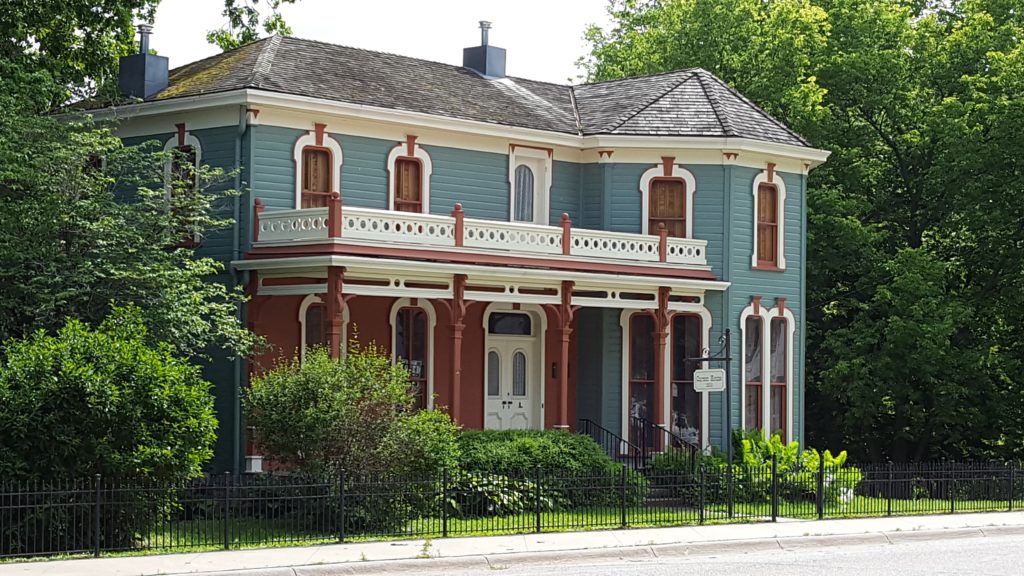
How Homeowners Can Increase Value of Their Older Home

Older homes have charming appeal that many home buyers are drawn to. In fact, it may have been one of the reasons why you decided to purchase your current home. If you own an older home and are preparing to sell it in the near future, you may be banking on your home’s historic character to attract offers. However, you may also be interested in generating the maximum profit possible from the sale. There are several improvements that you can make to an older home that will help you to generate a faster offer at a higher price point.


Make Energy Efficient Improvements


Energy efficiency is not just the latest buzzword in the Real Estate industry. It equates to real financial savings for homeowners over the years, and it also can impact the environment considerably. Many home buyers are drawn to energy efficient homes, but older homes are unfortunately not built with this in mind. You can take numerous steps to address energy efficiency in your older home. For example, you can replace your HVAC system or water heater. If your system is very old and needs repair work, your home warranty may even pay for a portion of the replacement. Adding more insulation, replacing windows and re-sealing doors and windows can also be beneficial.


Enhance the Square Footage


While many homeowners may be drawn to the charm and architectural detail in an older home, they also often prefer the open floor plan that is commonly associated with newer designs. Taking down a wall or two in the home to open up the kitchen to the dining and living areas can add great appeal to your home. If possible, you can also finish out an attic or basement to add even more functional square footage to the home.


Update the Kitchen and Bathrooms


Because many of the features in a kitchen and bathrooms are built-in features, they are often dated. Some buyers may find charm in these older features, but in many cases, they need to be restored or updated so that they are more functional and appealing. When you are renovating these spaces, try to resource materials as much as possible. In addition, retain the historic character of the home while adding modern features. For example, an antique look on the cabinets paired with modern appliances is a great combination for a kitchen in an older home.


Add Fresh Paint to the Walls and Trim


Re-painting the interior and exterior of the home is a rather affordable project to complete, and it can add dramatic appeal to the space. Fresh paint makes a home look cleaner and brighter, and this is particularly true when the right colors are selected for the home. Because many rooms in an older home are smaller in size, use painting techniques to create the illusion of space for maximum results.


Focus on Curb Appeal


While home buyers may be sold on a home based on the interior design and condition, the curb appeal can play a large role in enticing buyers to stop by and tour the home. Curb appeal is instantly noticeable when buyers are searching online for listings, and it makes a first impression on the buyer when he or she arrives for an on-site visit. Spending time refreshing the lawn, trimming bushes and updating flower beds can enhance your property’s value and appeal.


An older home has special charm and personality that many newer homes lack, and this can be an instant selling point. However, when you are focused on maximizing the return you can get from selling your home, you may need to spend time making some repairs and improvements to the home. These are some of the projects that are most commonly needed with older homes and that can have a major impact on property value. Analyze your property to determine how these ideas can benefit your space.