by David Glenn | Jul 5, 2016 | CRESTICO
Choosing a neighborhood in which to raise your family can seem like a daunting task. It’s not easy to point to a place on a map and decide to put down roots and stay for years to come. Buying a home is a significant investment, and you want to be sure you’re picking the best area possible to meet the needs of your family. But you don’t have to wait to learn about your neighborhood until after you’ve already closed escrow. Here are some resources to help you research your future neighborhood ahead of time, enabling you to choose the best place to raise your family.
Look at Local School Ratings
The easiest way to find a neighborhood where you feel comfortable raising your family is to look at nearby school ratings. The website Great Schools is an incredible resource that ranks schools based on test scores and parental reviews. Simply type in the generic city or metropolitan area you’d like to live in, and look at the map to see the results. You can customize the map to only display the types of schools you’re looking for, like high schools vs. preschools. It’s easy to see where the best neighborhoods are because they typically have the highest rated schools. Once you have narrowed it down to a more specific area, GreatSchools.org will even show you individual school attendance boundaries to make searching for a home even easier.
Research Crime Statistics
It’s not enough to find a neighborhood that has good schools. Crime levels are another very important factor in any home search. Use local municipal websites or sheriff’s department websites to find out what types of crimes are being committed in the area you have chosen. NeighborhoodScout is another great resource that shows the different types of crimes in any given area. Crime is everywhere, so don’t be too alarmed when you see multiple incidents show up in your desired area. The important thing is to look at what types of crimes are being committed in your area. Are they petty crimes like a teenager stealing a lawn chair, or are they something much more serious like armed robbery and home invasion? Doing research on local crime statistics is a great way to get to know the neighborhood long before you’re committed to moving in.
Search for Nearby Amenities
Once you have settled on a neighborhood, look at the amenities that are available nearby to see if they meet your family’s needs. Check local city and county websites to locate nearby public parks and swimming pools. Look up children’s classes and activities that may be offered through your local community center. Check national and state park websites to find out if there are any state-run nature facilities nearby. Don’t forget to look for amenities for the adults as well. Are there coffee shops and restaurants nearby? What about a gym, and a grocery store? These are all things that impact quality of life and contribute to a neighborhood’s overall desirability.
Housing
Once you have chosen a neighborhood, research all the housing options for your family. Even if you are using an agent (as you should), check homes that are selling by owner. Often times homes in the best neighborhoods are sold by word of mouth before they even hit the market. Talk to people in the area and try to get the inside scoop to be sure you can find a home in your desired neighborhood.
Don’t be intimidated when trying to choose a neighborhood for your family. Doing research online before you begin house hunting can help save you a lot of wasted time and can help take a lot of the unknowns out of moving to a new area. Follow these tips and help make your next move a little more certain, and help you rest assured that you are moving your family into the best neighborhood possible.
by David Glenn | May 19, 2016 | CRESTICO
Purchasing your first home might be one of the most expensive purchases you’ll make, which makes it even more important to do it right. The best way to go about shopping for a house is to line yourself up with a good realtor, explore financing and determine the priorities you seek in a new home. Most first time buyers make one or two mistakes during the process of buying a home. However, using these tips can help you to avoid mistakes and highlight important items to consider as you begin shopping for homes.
Determine What Features You Need
Before looking at homes, make a checklist of the features you need. For example, you might list the number of bedrooms, a large yard, fencing, home office and a family room. Next, you could list features that would be nice to have like a swimming pool, garden or patio.
Contact a Realtor
Ideally, if you’ve never been through the home buying process, you should consider working with a realtor to find a new home. He or she can show you several homes, write contracts, make recommendations and provide guidance for you as you complete the home buying and closing processes. Working with a realtor to find homes in the neighborhoods you like can save you time and money.
Realtors have access to the MLS (Multiple Listing Service), which is essentially a huge database of home listings supplied by Real Estate brokers. The listings include details and features about each property that is for sale. Your realtor can use the MLS to choose homes to fit your budget and location requirements, which makes it faster and easier to find your dream home.
Location Considerations
Unfortunately, many new home buyers fail to take into consideration the importance of where the home is located. For instance, you may have found the perfect home, but if it’s too far from work it may turn into a major problem. Before choosing neighborhoods, consider these questions:
Is a short commute to work a requirement?
- Does the home need to be in a good school district?
- Do we want nearby access to entertainment?
- Is public transportation a requirement or just a bonus?
Household Costs and Other Expenses
It is smart to get a rough estimate of what your monthly expenses will run for a new house before purchasing. To start with you’ll have the principal and interest on the home. Add in insurance and taxes. You may have to factor in home owner association fees. Next, you’ll want to consider power and water utilities. Don’t forget telephone and internet services.
Homeowners Insurance
The home and location can affect the cost of homeowners insurance, which is required when carrying a loan on the property.
- Homes located near fire stations or hydrants usually result in a discount.
- Home security systems may qualify for better rates.
- Neighborhoods in high crime areas cost more to insure.
- Homes in known flood zones or areas prone to earthquakes are more expensive to insure.
Home Inspection
Ordering home inspections on new or used homes isn’t a requirement for purchasing but it often proves to be a smart idea. Home inspectors provide an unbiased home inspection and cost about $300 to $500. They inspect the main household systems such as heating, cooling, electrical and plumbing.
Credit Check and Financing
Contact one of the three credit bureaus, and pull a free copy of your credit report before you consider financing and shopping for a home. Make sure the report appears to be accurate. The best Interest Rates for loans are offered to those people that have a good or higher credit score rating.
Keep in mind that you may have to put down as much as 20 percent for you down payment on the home. However, it’s possible, you may qualify for federally-backed loans, which often have Lower Interest Rates, small down payments or no down payment required.
Before shopping for a home, contact several banks and loan institutions to check their interest rates. It’s also a smart idea to get pre-qualified for a loan before home shopping.
Take your time to find the right home that meets all you requirements. Consider working with a realtor and a home inspector for professional services and recommendations.
by David Glenn | Apr 22, 2016 | CRESTICO
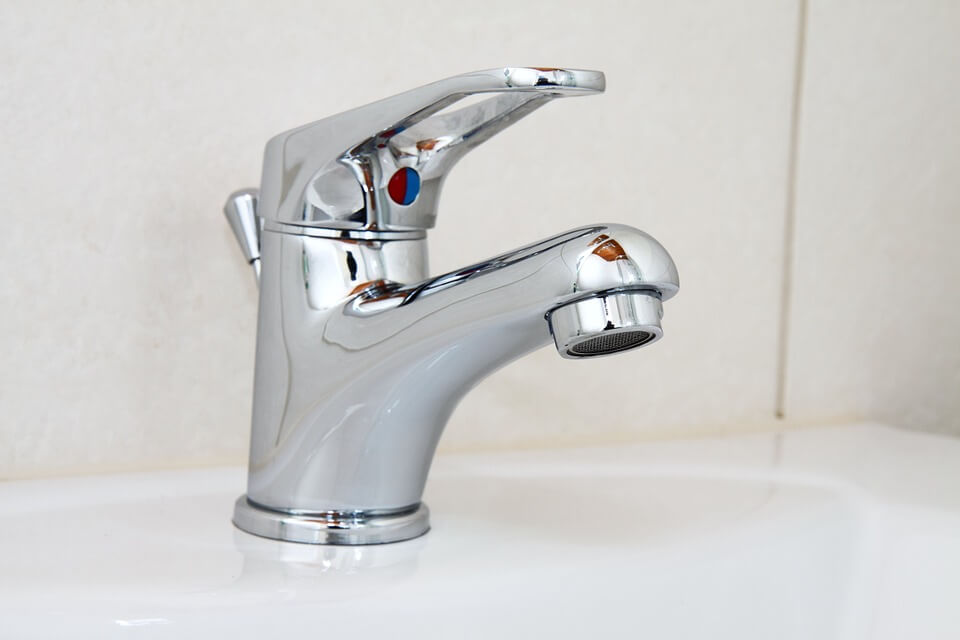
Photo via Wikicommons
New bathroom designs focus on pairing the function you expect with classy features and materials that add spa-like luxury. Don’t limit your design dreams to the standard porcelain and grout of yesteryear. If your current bathroom design leaves you bored or you are designing a brand new bathroom, keep the following tips in mind.
Use Glass for the Shower
Shower design is one of the most important elements affecting both style and function of a bathroom. Using glass for this feature has a number of benefits, and you should consider glass panels instead of just a glass shower door. A shower glass panel that covers at least one full side allows more light in and looks classy.
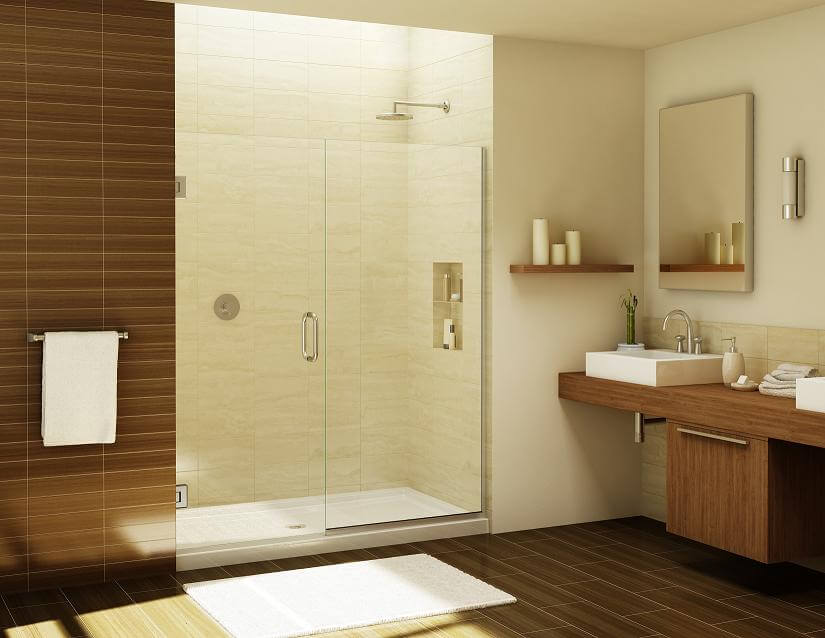
Photo via Wikicommons
Using a shower glass panel on both open sides of a corner shower not only adds a sense of luxury but, if it is clear glass, also makes the room feel bigger. Heavy, opaque shower surrounds create a visual stop in the line of sight, which makes the shower appear to take up more space and makes the room feel smaller.
Glass is also easier to keep clean than you might think. You can buy water repellant sprays that help keep water deposits and soap scum to a minimum. Some people swear by using a squeegee on the glass after showering to keep it spotless and sparkling.
Consider Glass Wall Tile
While we are on the subject of glass, consider using it for other bathroom elements, including tile. Glass features make the space feel crisper, cleaner and can make you feel you are visiting your own personal spa.
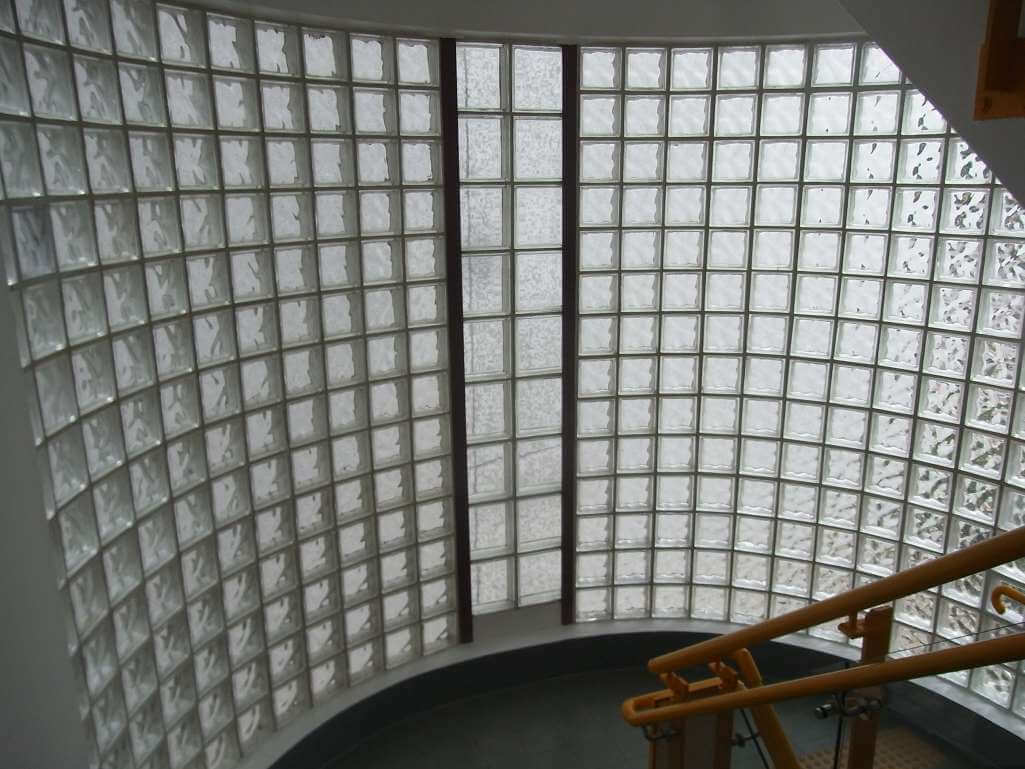
Photo Via Wikicommons
Glass tile has gained popularity in the past few years, and there are good reasons for its expanded use for backsplashes, shower surrounds and even the main bathroom walls. It is easy to clean, resists staining and mildew — which can plague some types of ceramic tile — and reflects light, which gives it a beautiful glistening appearance that many find attractive. In addition, glass tile’s natural translucence gives the tile color extra depth and mystery.
Even if you don’t want to use glass tile over a large surface, consider adding a mosaic using the beautiful tile, which will add a stunning custom touch to your new bathroom.
There are a lot of people that add an additional shine to their glass by using some form of organic coconut oil after cleaning.
Don’t Limit Your Lighting
A common mistake made in bathroom remodeling is leaving lighting as an afterthought. The best bathroom designs don’t limit lighting to a single fixture overhead or a few sconces. Whether your bathroom is large or small, the right lighting will enhance its features in addition to making the room more functional for your morning beauty and hygiene prep.
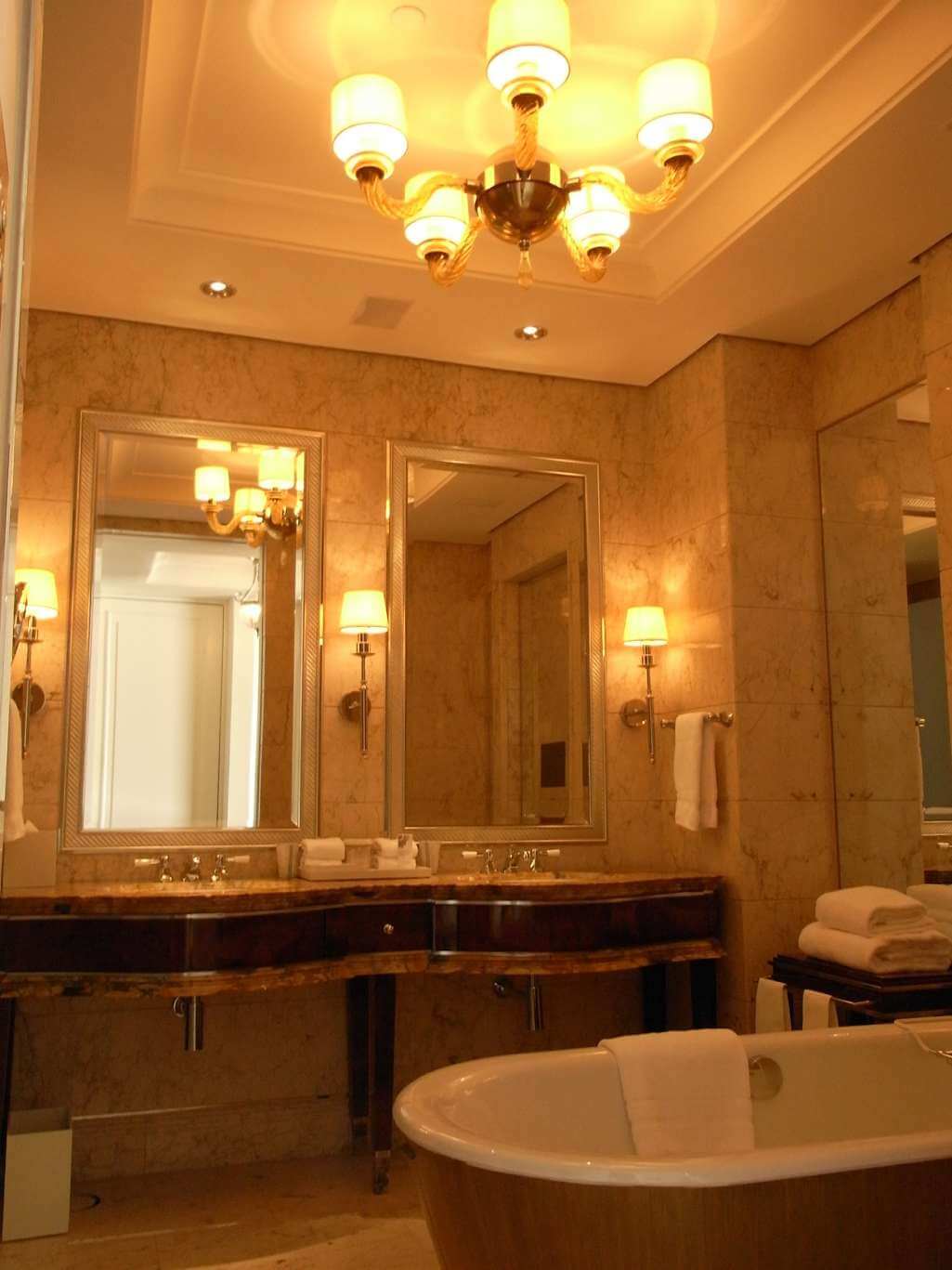
Photo via Wikicommons
Whenever possible, make use of natural lighting through skylights or big windows. Natural light enhances mood and just looks better than artificial light.
Whether your bathroom gets natural light or not, you will need to add overhead lighting as well as task lighting and accent lighting. Task lighting illuminates functional areas such as the vanity, and accent lighting draws attention to art or other decorative features you want noticed.
Wall sconces flanking the vanity mirror usually make the best task lighting for this area. If your bathroom contains a bathtub, an elegant overhead fixture above the tub can function as both task and accent lighting.
Remember that what you want to avoid is leaving areas of the room in shadow. Consider what the room’s lighting needs will be at various times of the day or evening, and plan accordingly. It is helpful, and sometimes necessary, to assign separate switches to each light source so that you have more flexibility to match the room’s lighting needs at any given time.
These three design tips complement any color palette you have chosen in addition to most design styles. Light fixtures come in many styles and colors, and it is easy to find glass tile in about any color you can imagine. Glass showers are unobtrusive enough to allow other decor features to take center stage if you wish, and so if you are looking for luxury, function and versatility, give these some devoted attention.
by David Glenn | Apr 20, 2016 | CRESTICO
Buying a home is not called the American dream for just any reason. It is a hard feat to accomplish and requires responsibility, hard work, and long term vision. It can also be scary for those buying their first home. There is a lot to know, and most have likely heard horror stories of friends homes that were hit by disasters, or who had issues dealing with insurance.
Fortunately home buying is not as scary as some people may think. There are plenty of professionals that you will work with along the way that will help make sure everything goes smoothly. Most people are surprised at the end of a first Home Purchase how simple the entire process was. There are costly mistakes that can be made, however, and should be avoided. Here are a few.
Choosing the wrong people
The people you work with while buying your first home are one of the most important decisions you can make. If you realtor is just in it for the money, they will push you to purchase a home as quickly as possible so that they can pocket the check and move on. Many realtors are trained to be this way. Conversely, if you can find a realtor that genuinely cares and has your best interest at heart, they will do digging, make sure there are no issues that could come up down the road with the home. These issues include things like improper paperwork with the city, hidden home damage, and overvalued home prices. A good realtor will do their homework and make sure your home is ready to live in safely for many years to come.
Budgeting

One of the biggest mistakes new homeowners make is understanding their budget. Most people that rent do not have to deal with repairs, maintenance, lawn work, taxes, insurance, or anything else relating to the home. As a new homeowner this is now completely your responsibility. If you are cutting your budget close while while buying the home you are likely forgetting the plethora of other expenses that may come up once the home is purchased. Make sure your income is enough to cover potential expenses and understand what those expenses could be. Additionally make sure that you have enough time to do things like yard work and maintenance, you will be surprised how much can be saved doing it yourself.
Research
Do the research! Find the perfect home. There is likely a home in your price range that you will love, but you need to spend the time to find it. Use resources like the Georgia MLS (or whichever state you live in) to find houses that may not be up yet on the web. Your realtor will have access to this.
DIY
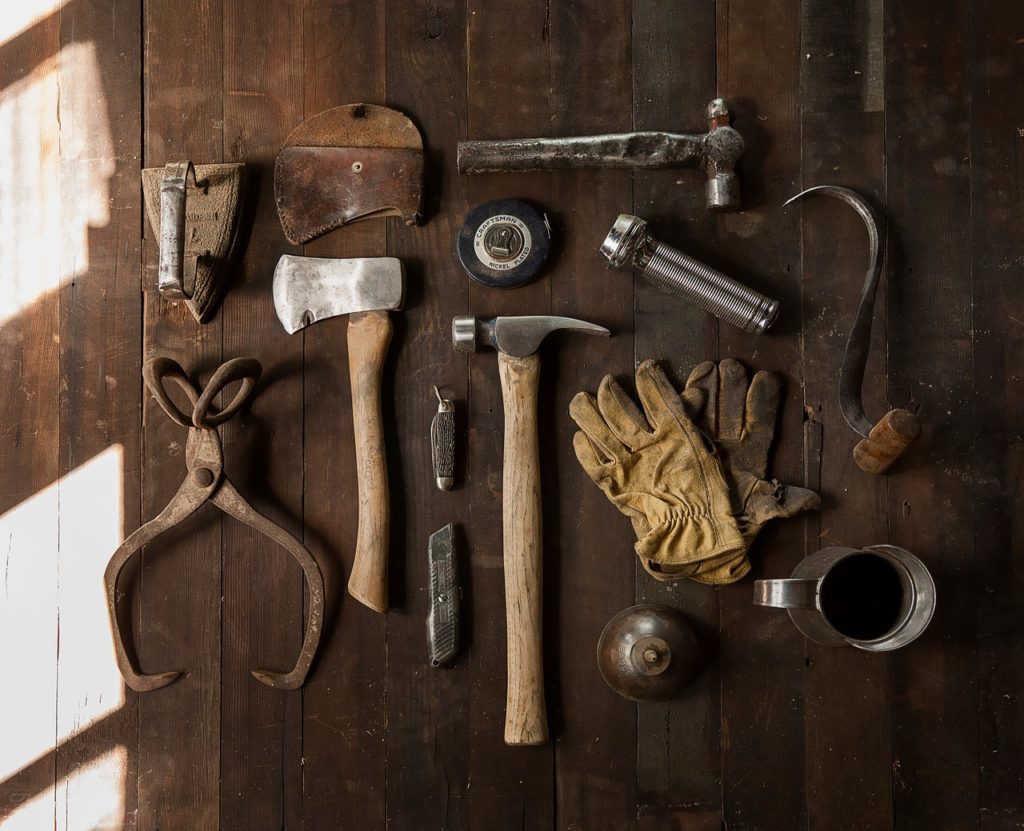
Most first-time home buyers have zero clue how to fix anything in a home. Plumbing sounds gross, electricity sounds terrifying, and lawn maintenance sounds dull. Unless you are purchasing a brand new home however, you will likely run into some repairs and maintenance fairly soon. Your first reaction will be to call a handyman and let them deal with it.
This is probably the wrong first reaction. Most home repairs can be done with a YouTube video, a trip to home depot, and five minutes. You may be blown away by your ability to quickly understand how a toilet or sink work.
by David Glenn | Apr 12, 2016 | CRESTICO
Use What You Already Have
One of the easiest ways to decorate cheaply is to use what you already have. From artwork to collectibles. Often times, art pieces can be pretty expensive, but you can easily create a beautiful gallery of pieces by framing children’s pieces or even painting or sketching a few yourself. Even small 5×7 sized pieces can be great to pair with larger pieces.
As for collectibles you can easily create a beautiful statement piece. Place them on a pair of shelves on an empty wall or fill a bookshelf. If you’re like me and collect rocks, try framing them in a shadow box and then hang it. Don’t let them just collect in tins that slowly stack up. From floral arrangements to movie tickets, display nostalgia pieces loud and proud.
Update Your Furniture
Now you don’t necessarily need to buy a whole new set of furniture for this one. Instead, try painting your bookcase or wallpapering it to give it a bit of a new look or boost. If you’re feeling creative, try painting just the back of the shelves to give a pop of color to the room. Other ways to update your furniture is to apply furniture decals with a pattern or favorite print, or to reupholster a chair or couch yourself rather than having an expensive professional do it.
Space Tricks
One of the cheapest interior design tricks is to use less and to create an illusion. Use mirrors to make a room look bigger and use a bigger rug. A larger rug can actually make a room look bigger. If you can’t afford an expensive large rug, try stitching a few smaller ones together. Also clear out extra pieces and knickknacks that you don’t need around the house anymore. Doing this alone can help a room feel neater and more idealistic.
Another key to making a room look bigger is glass. Glass windows and doors give the illusion that the room is much bigger than it is. If you are worried about privacy you can try etched glass that will allow light and space, but also offer privacy.
Wall Art
If you’re looking for a little something to put on the walls, try custom wall decals. These are inexpensive, especially if you order straight from the decal manufacturer easy to install and won’t ruin paint when they come off. Today, there are more than just the typical vinyl quotes. You can find them in a variety of patterns or shapes to create a stunning look in any room. Whether you get sheets in place of wallpaper or even if you do pair a beautiful piece with your favorite quote, custom wall decals can be one of the best design tricks.
Molding or Railing
Another unique design trick is molding or railing. By this, we mean chair railing or crown molding. Installing structures like these throughout a room can change a room from average to beautiful. Both of these can be do-it-yourself projects, which will save you a little bit on hiring a professional. If you do install chair railing, try painting the bottom half of a wall one color and the top half another or alter two different shades of a color. This can create a bold statement in any room.
If you’re feeling especially adventurous, try your hand at wainscoting. A little more labor intensive, however wainscoting creates a more unique and vintage look than you’ll find elsewhere.
The Little Things
Another one of the best ways to decorate without spending too much is to focus on the little things. Throw pillows, hardware, rugs and so much more are great ways to bring uniformity and spice to your house. Door knobs and drawer pulls can be switched out cheaply, take a day to poke around a flea market or two and find some classy pieces. They don’t even have to all match, you can pair several different shapes and styles together.
Throw pillows and rugs and throw blankets are also a cheap way to design a home on a budget. These can easily be switched out for different seasons which can help freshen up a room on a regular basis, and pillows and blankets can be so much cheaper than full repainting jobs.
Though we’ve only mentioned five tricks here, there are still so many different interior design tips you can use to help spruce up your home without spending too much.