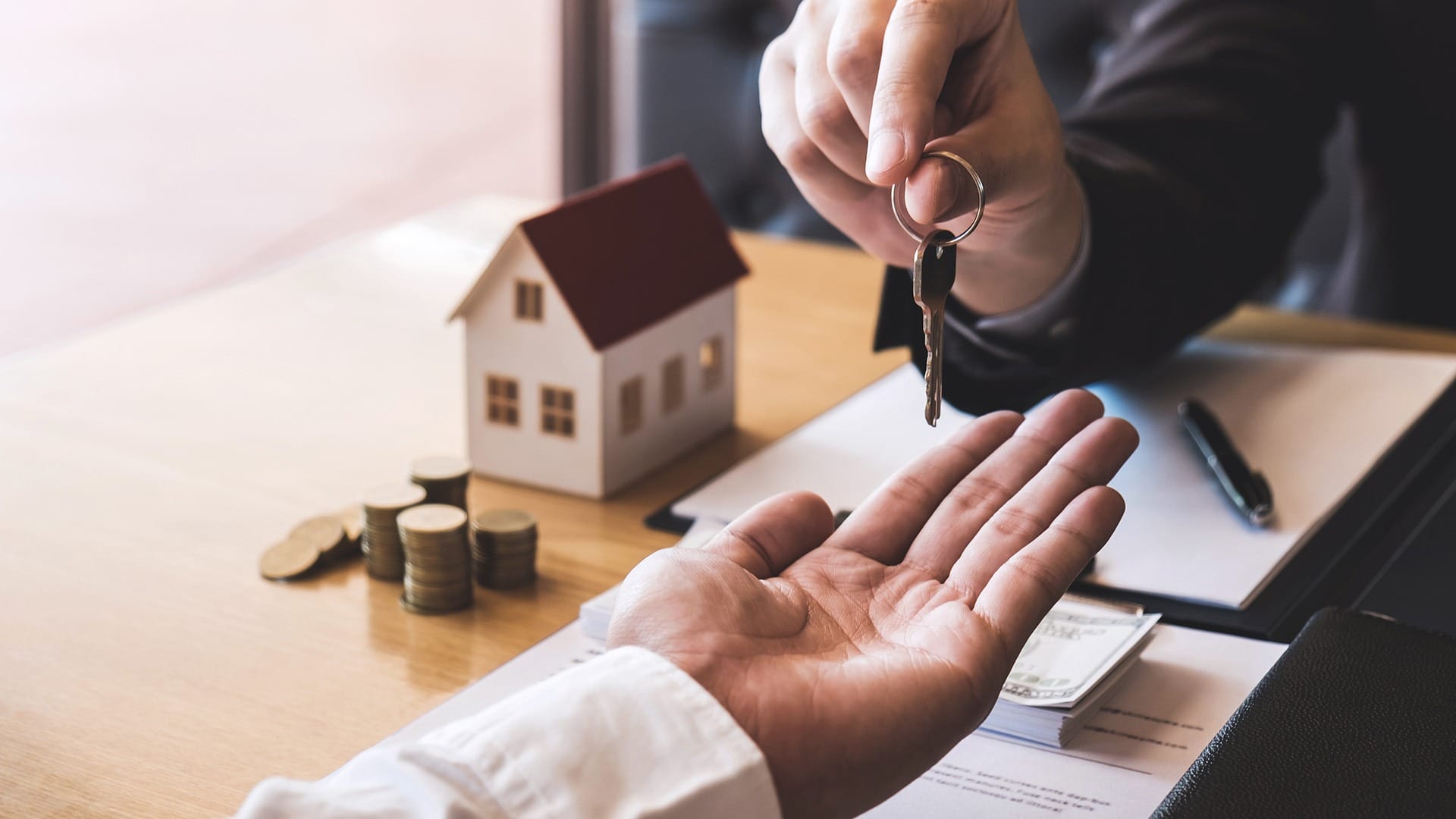
There is no doubt that buying a home is an expensive venture, but like so many other purchases, there are also a number of “hidden” costs that home buyers may not be prepared for. While they may have saved up 20% of the projected cost of the home they want to purchase, the additional costs may quickly eat up their savings or increase their loan amount to well beyond 80% of the cost of the home. They may also be unprepared for the much higher costs of maintaining a home in relationship to an apartment or townhouse. Here is a list of 3 expenses new home buyers regularly do not expect.
- Fees
There are a wide range of fees associated with buying a house that range from inspection fees to closing costs. In many cases, it’s important to get a survey so you know exactly where your property ends and your neighbor’s begins. If your lender wants a credit report, you have to cover the costs. You may have figured taxes into the monthly amount you will need to pay, but may be unaware that you actually have to pay those costs at closing. Probably the heftiest fee, however is the loan origination fee, which can run in the thousands of dollars, particularly if you are buying points on the loan. There are also a wide range of smaller fees you will have to pay, but can cumulatively add up to several hundred dollars. Some of these smaller fees include recording fees for deed, loan and mortgage documents, tax service fees to ensure previous taxed are up to date, title services and title insurance.
- Insurance
While renters may have had renter’s insurance and be used to paying that insurance, they may not be prepared for the significantly higher coverage they will need to carry as home owners, at a significantly higher price. Renter’s insurance only needs to cover your personal belongings, since the property owner carries the coverage on the building itself. Home owner’s insurance, however, covers not only your possessions, but the building itself and even the lot it sits on. Your rate will be determined by a number of factors such as the age of the home and the quality of the materials that were used to build it with. In addition, if you are putting less than 20% down on a mortgage, you will most likely also be required by your lender to carry mortgage insurance. You can of course shop for the cheapest insurance rates, but ultimately insurance will eat a much larger chunk of your monthly budget.
- Bills and maintenance expenses
When you rent a home or apartment, there are generally a number of expenses folded into your rent, which you will now be responsible for paying. These include water, sewage and trash collection, but can also include homeowner’s fees and even expenses related to the care, upkeep and maintenance of your home that you hadn’t counted on. In an apartment or rental, if the toilet breaks, you call your landlord. Now, if the toilet breaks, you call a plumber and you get to pay for it. And it might surprise you just how much a single service call will run you. You now also get to keep your own lawn watered and mow it once a week in the summer, or more often depending on where you live. Of course you can always pay someone to mow it, but that’s also one more expensive fee new homeowners actually factor into the cost of owning a home.
While few, if any, of the costs of owning a home are actually hidden, they are also not generally factored in by many new home buyers. This is why it’s important to be sure when buying a home that you don’t overextend yourself just on the house payment itself. Make sure you work out a mortgage payment you can comfortably afford and don’t blow your entire savings on your down payment. With a little careful research, planning and budgeting, you can have the house of your dreams and not a financial nightmare.