by David Glenn | Jan 18, 2017 | CRESTICO
Buying a home is a dream for many people living in America today. Renting a home is like throwing away money every month. It helps the owner of that home build up equity without helping the renter. The problem is that many people do not have the funds in their bank accounts or budgets to gather up enough cash for a down payment. As lenders often ask for a down payment equal to 10% of the home’s total purchase price, it’s easy to see why so many middle class people keep renting. Some are smart enough to know how to put money back to buy a house though.
Compare Mortgage Rates
According to Freddie Mac, mortgage Interest Rates dropped for the first time in months at the beginning of 2017. Freddie Mac found that these rates dropped to 3.44% on 15-year fixed rate mortgages and to 4.20% on 30-year fixed rate mortgages. These figures represent the interest charged on Home Loans taken out this year alone. Comparing mortgage rates is a smart way for prospective home buyers to see the rates charged by different lenders and to see which lenders will give them the best rates to help them better afford their dream homes.
Look at Mortgage Types
Smart home buyers will compare and contrast different loan types to determine which one will help them spend less money on a loan. A fixed rate mortgage is a home loan that comes with one interest rate that never changes over the course of the loan. An adjustable rate mortgage is fairly different because the interest rate on that loan changes as the market changes. Bank Rate also describes an interest only jumbo loan, which allows a buyer to pay only on the interest on the loan for up to 10 years before making payments on the loan’s principal.
Think Outside the Box
Thinking outside the box can help almost anyone find a solid home without spending a lot of money and without saving for years. The U.S. Department of Housing and Urban Development, also known as HUD, offers residential properties for sale, including single family homes and buildings that can accommodate up to four families. Though anyone can purchase one of these homes with proper financing in place, HUD explains that homes will typically go to those willing to live in the home first before the department will offer those homes to investors. The Federal Housing Administration can also assist American citizens with housing purchases. It even has a program designed to help community workers purchase homes.
Create a Savings Account
One of the best ways to save for a new home is with a dedicated savings account. Many financial institutions now offer a round up plan. When an individual uses his or her debit card to make a purchase, the bank will round up to the next dollar and put that extra cash in the individual’s savings account. If a purchase cost $8.19, the bank will put $.81 cents in the account. Some will find it helpful to save any dollars they get back from making cash purchases and deposit those bills in their savings accounts later.
Save On Other Purchases
Comparison shopping helps customers find the best prices on the products and services that they need. Whether they save money on car insurance after retirement, landscaping or even new glasses, they have more money they can put back towards a down payment. Comparison sites allow shoppers to enter the product they want and view how much that item costs on multiple websites, including any shipping or handling fees charged by the site. Even saving a few dollars on groceries is a few dollars more towards a dream house. Smart home buyers know that saving and putting back cash and looking at mortgages and rates can help them buy the perfect home.
by David Glenn | Jul 13, 2016 | CRESTICO
First came computers; they were followed quickly by the internet, and soon we found ourselves in an age of handheld devices, touch screens, and motion sensors. With all of this, it was only a natural development that another byproduct of modern technology would be increasingly automated homes. From always on voice-activated devices, to remote controlled appliances, lighting and temperature control, and home theaters (see Argenta) that are better than the real thing, home automation is certainly our future.
So how do you prepare for a world of home automation? How do you make sure that you are best placed to embrace the newest developments in home tech—most of which we don’t even know about yet? Here are a few tips to get you on your way.
Research
The best way to prepare for the future is to know what is coming. Keep one eye on tech publications, reading as much as you can about the things that are currently in concept or development phase. If you are able to, try to visit various conferences and trade shows such as CES to see what kinds of things are out there. If you cannot make it to these, there is considerable coverage to be found online. If you know which things are coming up, you can know which you want to buy, and which to hold off on to wait for a better version.
Don’t Adopt New Tech Too Early
Which leads us to our next tip—be discerning about which tech items you take on early on. In the age of instant information and social media bragging, the idea of becoming an “early adopter” can seem very tempting. But sometimes it is not the best way to go. Many new technologies need awhile to iron out the kinks and problems, and if it is something that has little or no precedent, it will be likely to face at least a few of these. Furthermore, newer cheaper or more efficient versions are likely to start cropping up in the second wave, and with home automation, you are looking at a lot of money to replace something just a few months later. So while some things you can take the risk on, it is often worth waiting awhile before incorporating the very newest of the new home technology.
Start Saving
In order to fully take advantage of the latest home tech features, you are going to have to spend some money. For this reason, you will probably want to start saving right now. Things like theaters are expensive, but when you have a saving plan, you should be able to find something in your price range.
Make Home Preparations
You might also want to design your home interior with home automation in the back of your mind. Older houses are a lot trickier to fit home automation seamlessly into, and that is because newer home layouts are often designed with modern technology taken into consideration. If you are building your own home, it will be easy to incorporate technology, but even if you already have a home, there are ways to make sure that you can accommodate new home tech. Work with interior designers and architects to better figure it out.
Embrace it
The future is coming, and resisting it will not prevent it. Homes of the future are going to be more tech driven and user-friendly than they have ever been. Rather than fearing future home technology developments, embrace the greater ease and comfort that will come from them, and jump on it early—the future is ours for the taking!
by David Glenn | Jun 25, 2016 | CRESTICO
Decorating an apartment can be a bit of a puzzler, especially if you’re renting. On top of this, if you’re a struggling college student, not only are you limited in your choices but you’re probably limited on funds. So here are a few great tips for decorating your apartment on a budget.
Wall Decals
These things are a genius invention. Wall Decals don’t require nails or paint and are perfect for a rental space. You don’t just have to pick from a life-inspiring quote, either. Today there are wall stickers that are complete murals or even wallpaper. Not only are these a cheap alternative to fixing holes or painting, they are also so easy to apply and even easier to take down. And they don’t leave a mess.
Next to wall decals are furniture decals. You can stick a fun polka dot sticker sheet on a desk, fridge or cabinets and really spunk up your place without spending an arm and a leg. Or even too much time. If you have a bit more money ask your apartment manager if you’re allowed to get some etched glass. Installing etched glass can really change the look of an apartment and add an upscale feel, the only downside is it is expensive.
Build It
Furniture can become extremely expensive. But rather than paying an arm and a leg, you can easily learn how to build pieces yourself. Try building your own desk, bookshelf or even closet doors. There are many great how-to’s to follow and many lumber yards will sell wood for pretty cheap if you buy directly from them. You can even do this for a stunning headboard for your bed. If you plan to cover the headboard in fabric, then you can easily pay for inexpensive hardwood for underneath.
Buy Good, Not Price
Rita Konig, interior designer and European Editor for The Wall Street Journal’s WSJ, says that “it’s easy to buy things for the price, rather than buy good things. But if you guy good things, they will always be with you. If you buy the bad couch, for instance, you will always want to replace it as soon as you can.” It’s kind of like clothing, you can buy a new pair of $12 jeans every six months or spend $40 to $60 and have a pair that last a few years or even longer. This may mean that you only have a few key pieces while you slowly build up your collection.
Reupholster
Konig and Emily Henderson, host of Secrets From a Stylist, both suggest that you focus more on the shape of a piece of furniture rather than the fabric as you can buy a cheaper couch and easily reupholster it. By doing this you could end up spending less to buy and reupholster a couch rather than paying for one that is all around perfect.
Another thing to keep in mind while reupholstering is that it doesn’t need to be super expensive. Instead of spending lots of money on expensive cleaning supplies start to research things you already own that you can use to help you out. For instance I found out that some lemon juice, white vinegar, and refined coconut oil can be used to polish wood furniture, so I went out, bought some old wood tables and chairs and cleaned and polished them up to shape. I ended up with furniture that looked new at less than ten percent of the cost.
Re-envision
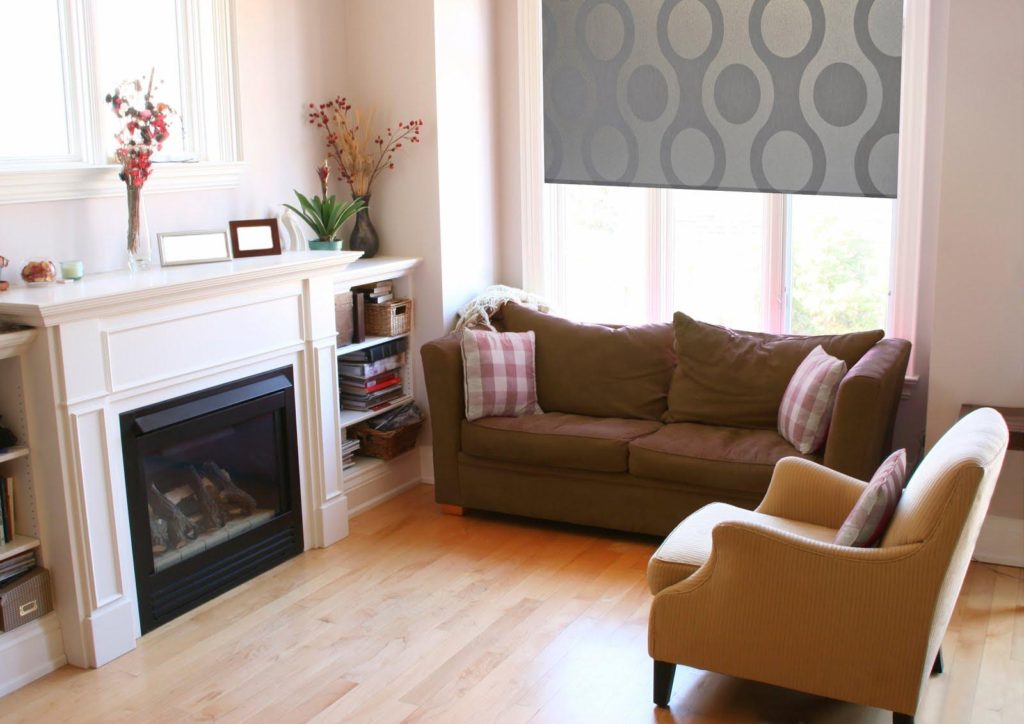
Jamie Drake of Drake/Anderson says to first start by re-envisioning your place before spending any money. Flip a floor plan, move a piece into a different room, reupholster or spray wood pieces. This can be one of the most inexpensive ways to decorate your apartment.
Do-it-Yourself
Sew your own quilt or comforter. Make your own throw pillows. Paint your own art. There are so many great projects out there that you can learn to do yourself that you could practically decorate your entire apartment with the talent of your own hands!
Repurpose
If you can’t go buy brand new furniture at the moment or don’t want to throw something out, try repurposing a few pieces. You can turn a mismatched or rickety chair into a great bedside table. Or take an old duvet or comforter and repurpose it into a pet’s cozy sleeping spot. Turn an old door into a tabletop, old curtains into napkins, and so much more. You can even turn no-longer-used sheets into light and airy window treatments. The possibilities are endless!
by David Glenn | May 9, 2016 | CRESTICO
In all likelihood, if you’ve been living with your folks, in a dorm room or an apartment, you probably don’t know a whole lot about home maintenance, landscaping or home security. These tips may help to prevent costly mistakes, save money and help you to learn about homeowner responsibilities.
Valve for Water Shutoff
After purchasing a new or used home, you need to locate the main valve for shutting off the water to the home in an emergency. Shutoff valves are typically located near the water main where it comes into the home. Everyone living in the home should understand how to turn the valve off.
You may need to shut the valve off when pipes burst or an overflowing toilet floods the floors, carpeting, cabinets or wallboards. These items are difficult to dry out and can lead to costly repairs.
Landscaping

Planting new or additional landscaping is a wonderful way to add a bit of your own personality to the home, and it can help to keep your home much cooler during hot summer weather.
Choose trees and vines to plant on the southern and western sides of the home, which will provide much needed shade. Call 811 before you begin digging around your home to learn where wires, cables and underground pipes are located from the dig-safely hotline.
Improve Security
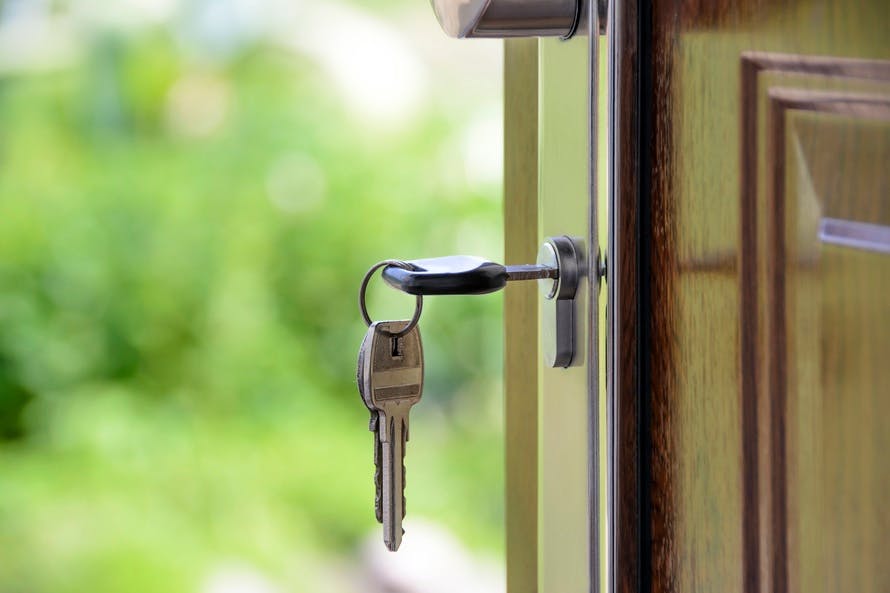
Whether you’ve purchased a used or a new home, it is a smart idea to change out the locks. As a matter a fact, consider deadbolts, which offer the most security.
Take a quick tour of your new home looking for weak areas that could provide easy access to thieves. Adding window locks, outdoor lighting and light sensors in vulnerable areas could reduce vandalism and thefts.
Electrical Panel
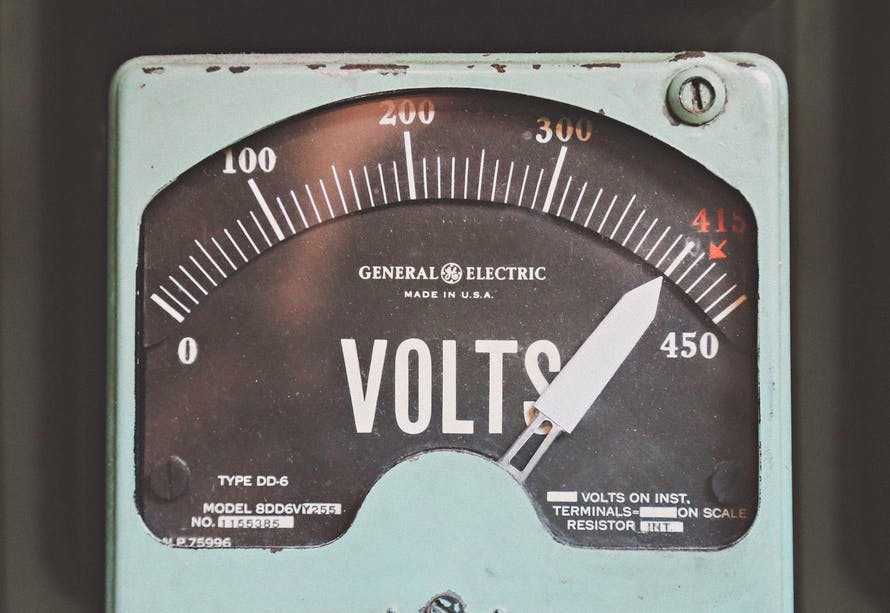
Locate the electrical panel in your house that contains breakers to shut off power to various parts of the home. Check to see that all breakers are labeled with the names of each room, so you’ll know which breaker to shut down in the event of an emergency.
Home Systems and Appliances
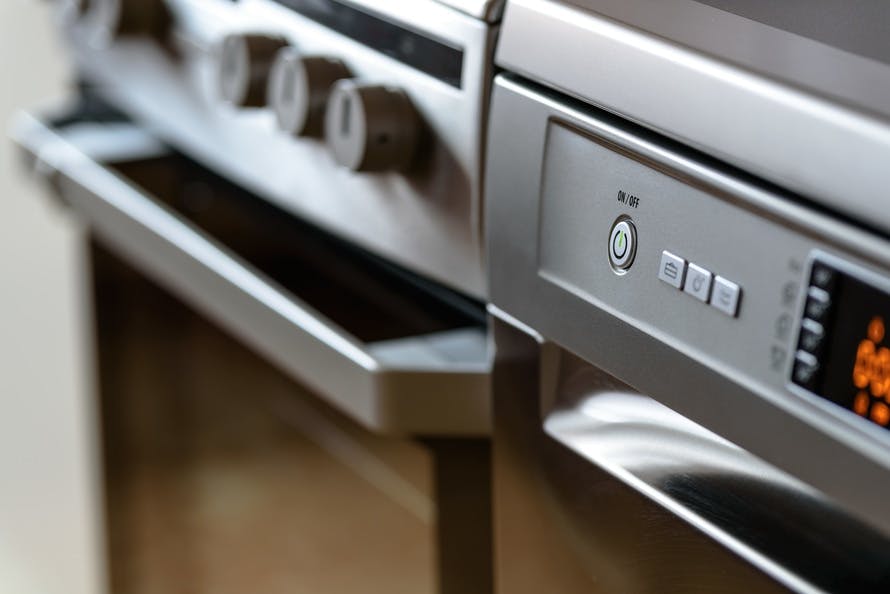
Determine whether you want to make repairs or replace home systems and appliances yourself. Perhaps you would rather purchase a home warranty from a service company that offers warranty plans to make repairs or replace faulty units.
Warranty plans can be tailored to the needs of homeowners. Many basic plans cover the major home systems like plumbing, heating, electrical and cooling. Some plans include a number of common household appliances like refrigerators, freezers and dishwashers. Generally, you pay a flat fee once a year to purchase a contract and are responsible for paying the cost of any service calls.
Checking for Plumbing Issues

Plumbing might not be much of a concern in newer homes, but you definitely want to discover plumbing problems in any used home.
Open cabinets below sinks to search for leaks. Check to see whether faucets are leaking or continually dripping. Make sure the toilet doesn’t run constantly, and look around the base of the toilets for signs of water leaks.
Insulation
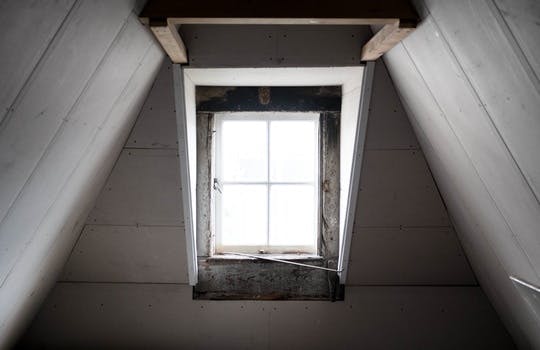
It’s a smart idea to check out the attic insulation to determine if it has at least the minimum requirements to keep your home cooler in the warm months and warmer during chilly weather. Insulation should be anywhere from 10 to about 14 inches thick depending upon the type and quality of insulation.
Locate the water heater and consider purchasing an inexpensive water heater jacket if it doesn’t already have one. Also, check the settings on the water heater. Setting it to 120 degrees should more than cover your needs and may help to lower your electric bill.
Add insulation around exposed pipes in garages and basements to reduce heat loss.
Fire Prevention
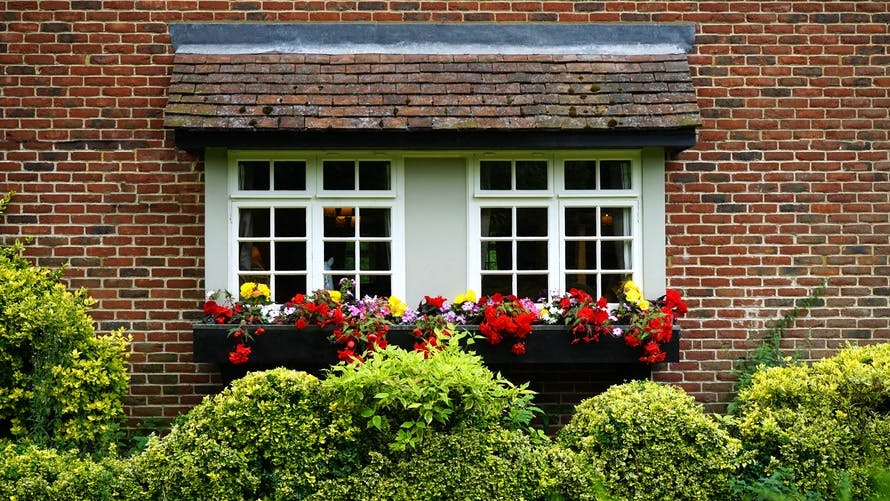 Remove shrubbery and trees that are too close to the home. Maintaining a 30 foot perimeter around the home free of large bushes and trees is recommended.
Install fire alarms throughout the home. Multi-level homes should have alarms for each floor. Make sure your home is also equipped with working fire extinguishers.
There is no doubt about it, owning your first home is a learning experience. Just remember to seek advice from neighbors and when in doubt, consider calling a professional.
Bundling Insurance
If you’re wondering if you should bundle home and car insurance, the answer is almost always yes. The discounted amount from bundling home and auto always varies depending on who you are bundling with, but the average bundle discount will get you 20% off. While the immediate and obvious benefit of bundling is saving money, the benefits go beyond just savings. Because you’re bundling, there is no doubt you’ll develop a better relationship with that company as you’ll be talking to them more frequently. No yo mention you could also benefit from paying a single deductible as opposed to two.
by David Glenn | Apr 20, 2016 | CRESTICO
Buying a home is not called the American dream for just any reason. It is a hard feat to accomplish and requires responsibility, hard work, and long term vision. It can also be scary for those buying their first home. There is a lot to know, and most have likely heard horror stories of friends homes that were hit by disasters, or who had issues dealing with insurance.
Fortunately home buying is not as scary as some people may think. There are plenty of professionals that you will work with along the way that will help make sure everything goes smoothly. Most people are surprised at the end of a first Home Purchase how simple the entire process was. There are costly mistakes that can be made, however, and should be avoided. Here are a few.
Choosing the wrong people
The people you work with while buying your first home are one of the most important decisions you can make. If you realtor is just in it for the money, they will push you to purchase a home as quickly as possible so that they can pocket the check and move on. Many realtors are trained to be this way. Conversely, if you can find a realtor that genuinely cares and has your best interest at heart, they will do digging, make sure there are no issues that could come up down the road with the home. These issues include things like improper paperwork with the city, hidden home damage, and overvalued home prices. A good realtor will do their homework and make sure your home is ready to live in safely for many years to come.
Budgeting

One of the biggest mistakes new homeowners make is understanding their budget. Most people that rent do not have to deal with repairs, maintenance, lawn work, taxes, insurance, or anything else relating to the home. As a new homeowner this is now completely your responsibility. If you are cutting your budget close while while buying the home you are likely forgetting the plethora of other expenses that may come up once the home is purchased. Make sure your income is enough to cover potential expenses and understand what those expenses could be. Additionally make sure that you have enough time to do things like yard work and maintenance, you will be surprised how much can be saved doing it yourself.
Research
Do the research! Find the perfect home. There is likely a home in your price range that you will love, but you need to spend the time to find it. Use resources like the Georgia MLS (or whichever state you live in) to find houses that may not be up yet on the web. Your realtor will have access to this.
DIY
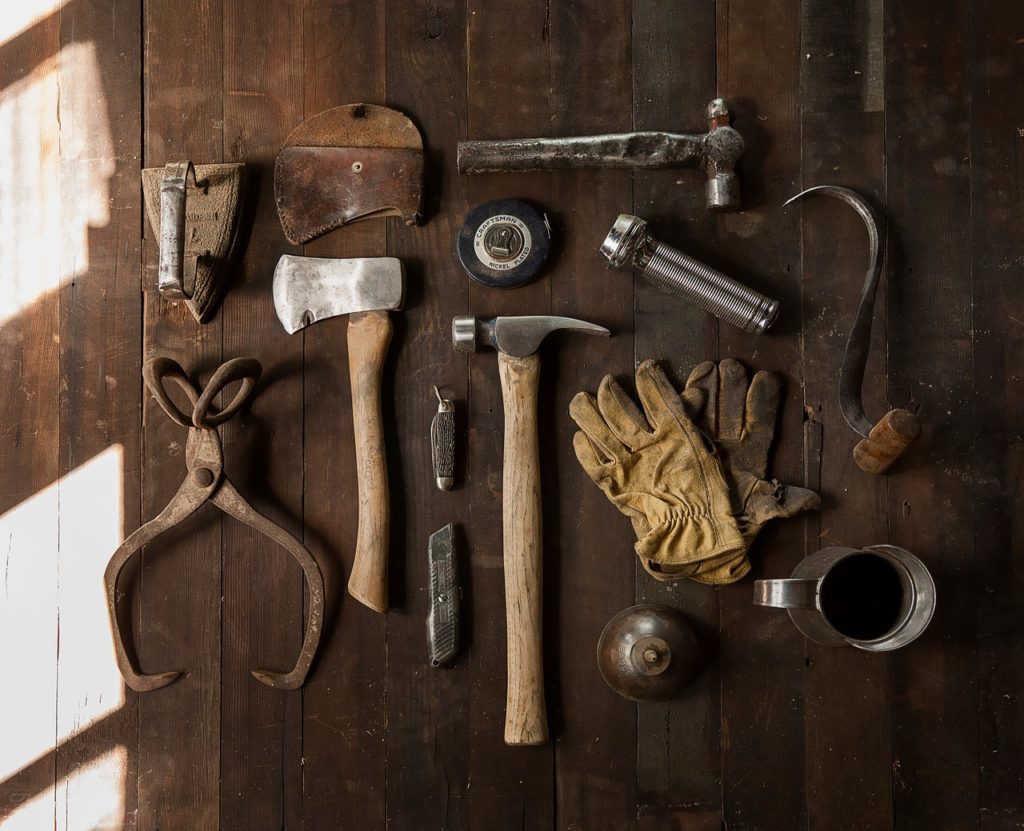
Most first-time home buyers have zero clue how to fix anything in a home. Plumbing sounds gross, electricity sounds terrifying, and lawn maintenance sounds dull. Unless you are purchasing a brand new home however, you will likely run into some repairs and maintenance fairly soon. Your first reaction will be to call a handyman and let them deal with it.
This is probably the wrong first reaction. Most home repairs can be done with a YouTube video, a trip to home depot, and five minutes. You may be blown away by your ability to quickly understand how a toilet or sink work.