by David Glenn | Jan 18, 2017 | CRESTICO
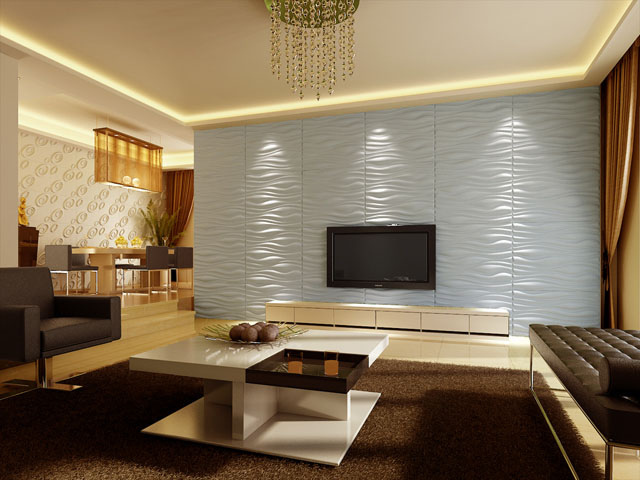
Having a home theater used to be considered a luxury reserved only for the wealthy. Key theater elements such as impressive sound systems and high-quality seating were once entirely too expensive for the average homeowner. However, today these things are affordable, meaning that anyone can build the theater of their dreams in their own home.
If you are looking to elevate your TV room to a theater masterpiece, there are some key accessories that will transform your movie-watching experience in no time
1. Black-Out Curtains:
A good set of black-out curtains is one of the most inexpensive items on the list, but a necessity nonetheless. Movie theaters are dark for a reason; by keeping the room dark, the picture on the screen can look its best as it is unaffected by light interference. Invest in a pair of black-out curtains which will completely block light out of your room.
2. A Quality Sound System:
One major difference between watching a movie in a movie theater and at home is the quality of sound. Movie theaters use surround sound which allows you to hear sound all around you. Also, movie theater sound systems pick up a wider range of frequencies so that the sound is much more realistic.
Investing in a good sound system is essential, and luckily, quality sound systems are more inexpensive than ever, with many exceptional systems costing under $2,000. Plus, most of these new models take up less physical space than they ever have.
Despite the fact that they are more affordable than before, this is definitely not a place to skimp as the quality of sound will make or break your movie-watching experience.
3. A Large, High-Quality Screen:
You can’t watch a movie without a screen. To really mimic the feel of a movie theater, you will want a screen that is at least 50 inches wide. There are countless high-definition LED televisions on the market that come in a range of sizes. These can be fairly expensive, however, especially when you opt for a larger size.
Luckily, there are many high-quality movie projectors which will cost you under $1,000. Many projectors offer features like 3-D capabilities and high-definition viewing.
To complete the theater experience, invest in a wall mount so that your screen is attached to the wall. These mounts are inexpensive but make a big difference when it comes to creating the feeling of a real movie theater in your own home.
4. Comfortable Seating:
No matter how good the movie is, it’s hard to enjoy a film when you are sitting in an uncomfortable chair. Comfortable seating is a crucial part of the movie-watching experience.
Reclining chairs are a favorite for home movie theaters, allowing the viewer to truly relax while enjoying their favorite film. Quality back support is a must as chairs with poor back support will cause pain and discomfort which will ruin the movie-watching experience. Extra features like heating and drink holders add an element of luxury and will be loved by all your guests.
Now that you have all the elements you will need to create a movie theater in your own home, there are some important tips to keep in mind while you put the room together. First, it is crucial that you do not place your speakers on any pieces of furniture. This will muffle the audio as the furniture will absorb much of the sound.
Secondly, arrange your room in a way that those entering or leaving the room will not be walking in front of the screen. This can majorly disrupt the viewing experience for the rest of those watching the movie.
Lastly, remember that the space between your screen and your seating has a large effect on your viewing experience. Sitting too close or too far away will negatively impact the way you perceive the quality and details of the movie. There are online calculators which will determine the ideal space between your seating and your screen based on the size of your room and the size of the screen itself.
Building a theater in your home is easier than ever, and by following these simple instructions you will have the ultimate theater masterpiece for friends and family to enjoy forever.
by David Glenn | Dec 28, 2016 | CRESTICO
As your retirement date approaches, you may be actively moving forward with plans to prepare for retirement. For example, you may be researching low cost health insurance options for retirees or making an effort to transition your spending so that it is more in line with your fixed retirement budget. One of the most significant factors that retirees consider is what to do with their housing situation. More specifically, should you move into a new home or remodel your current home so that it meets your current and future needs? Future needs, for example, may include transitioning from a two-story home to a one-story home with handicap accessible features. There is no right answer to this important housing question, and retirees should carefully review the two options available to determine what is best for them. By focusing on a few points, you may realize that one option is more clearly aligned with your goals and objectives than the other.
The Financial Aspect
There are numerous financial factors to consider when you determine which location is most affordable to live in. For example, when comparing two separate homes, you may analyze factors like the mortgage expense as well as property taxes, insurance and utilities costs. However, the cost of living in an area, state and local income tax and even estate taxes may also play a role in where you choose to live. In addition to these points, consider how you plan to spend your days in retirement, and you may find that it is more cost effective to live in certain areas to enjoy your daily activities. For example, if you plan to travel, living close to an international airport or a popular cruise port may be financially advantageous. If you plan to golf, living in an area that has dozens of golf courses close by may be beneficial. Remodeling your home locks you into living in your current location, but there may be benefits associated with relocating to a new area.
Intangible Benefits
There are also intangible aspects associated with remodeling or relocating. Many retirees may have spent long years or even decades in their current home. They may have many friends and neighbors in the community that they would have to say goodbye to if they move far away. They may also have significant memories of kids growing up and major life events that occurred while living in the home. While some people may have trouble emotionally detaching from a home, some may also have trouble remodeling their home for these same reasons. If you are trying to decide between moving or relocating, consider the fact that the emotional upheaval of a major remodeling project can be just as traumatic as a full relocation.
The Risks and Downsides
While there may be financial advantages and intangible advantages associated with both relocating and remodeling, there also may be many risks and downsides to consider. For example, if you choose to remodel your home, you may have to deal with personal injury lawsuits from poorly selected contractors or even shoddy workmanship that affects your property value. If you choose to sell your home and relocate, you may have to contend with unexpected repair work on the new home that you have not budgeted for. These are only a few of the potential risks and downsides associated with relocating to a new home, and you should fully research all possibilities before you make a final decision about how to proceed.
One of the toughest decisions you will have to make when preparing for retirement is choosing where to live. With so many different options available to you, it can be difficult to narrow down the options and to make a wise, informed decision. As you explore the living options for your retirement years in greater detail, focus on each of these points to help you eliminate options that may not be best suited for you.
by David Glenn | Dec 13, 2016 | CRESTICO
People take pride in their homes. It can be wonderful to live in a residence that makes you feel good about yourself. If you have a well-maintained home, inviting guests over can be a comfortable and easy experience. There are many homeowners out there who are constantly searching for things they can do to improve their properties. Home improvements can increase your comfort and quality of life. They can do a lot more than just those things, too, however. They can give your property value a major spike. Strengthening the curb appeal of your property can be beneficial to people who are contemplating possibly selling later on. If you want to improve your home and potentially strengthen its value in the Real Estate world, there are many great changes you can make to it.
Paint Your Residence
Painting a property can do wonders for its value. No one wants to buy a residence that has chipping and cracking interior paint. No one wants to put their money into a home that has unattractive faded paint on its outsides, either. If you want to give your home value a big spike, painting can make an easy and budget-friendly solution. Your goal should be to paint all of your interior walls meticulously and neatly. A tidy and well-maintained home gives the impression of better value. It’s important to make smart choices in paint color selection as well. If your objective is to better the value of your home, focus on neutral paint color choices. Neutral colors tend to be the most attractive to people. Refrain from the use of paint colors that are excessively loud or bright. These can be off-putting.
Plant a Beautiful Tree
If you want to improve the value of your home, don’t concentrate exclusively on the interior. Make a point to focus on your outdoor property, too. Your outdoor space will actually be the first thing potential purchasers see, after all. That’s precisely why it’s so important to make sure that it appears as enticing and aesthetically pleasing as possible. Landscaping can do so much for home value. Think about planting a lovely shade tree on your lawn. Mature trees can beautify landscapes in a significant way. They can also offer practical advantages. If you grow a tree in a strategic spot, it can reduce your monthly cooling bills dramatically. It may be able to reduce these bills by upward of 40 percent. The presence of mature trees, lastly, can also help the environment. They can give animals in your neighborhood a nice place to live.
Add a Pool
It may seem like a big investment to add a pool, but as you invest more into your home the more it will be worth in the long run. Pools are seen as a luxury that not everyone has, so adding a pool to your home will give it a distinction in the neighborhood, and your home will be seen as a home of value compared to the houses around you.
Invest in a Room Addition
Room additions can be amazing for people who want to improve residential value. It doesn’t matter if you get a room addition that serves as an entertainment center, extra storage space, a guest bedroom or anything else. Customized room additions can up the value of your home considerably. They can make your home significantly larger. Who in the world doesn’t want or crave extra space? You can get creative with your room addition, too. You can turn it into an entertainment haven by adding a home theater to it. You can turn it into a designated kiddie play zone by filling it with toys, a jungle gym and beyond. You can do whatever you want. The sky’s the limit.
Renovate Your Bathroom
Bathrooms are big business in the home remodeling universe. If you want to better your home value, it can be wise to zero in on your bathroom. Bathroom renovations can go a long way. They don’t have to cost a lot of money, either. If you want to give your bathroom a quick overhaul, take out old lights and switch them with new ones. Take out old-fashioned wallpaper and switch it with something a lot more contemporary and fresh. Seemingly small tweaks and adjustments can actually do a lot for the value of your property.
by David Glenn | Nov 14, 2016 | CRESTICO
The fact that Interest Rates have dropped to near historic lows as the rents continue to sky rocket in most urban set ups, buying a home seems to tilt the balance to its favor. The reports by Trulia also suggest that for renting to become cheaper than buying, the 30-year fixed mortgage must hit at least 5% in Los Angeles and 5.1% in New York City. However, the mortgage rate has hit a low of 3.17%, making the projection unattainable, at least in the near future.
As much as the statistics favor home buying over renting, for many Americans, the financial tradeoff may not be easy. Numerous advantages come with home ownership, not to mention the tax deductibles on your mortgage interests. But if you don’t carefully analyze your financial situation and make informed choices, home ownership can turn into a financial nightmare.
The most critical component of your decision-making process should be your financial stability. You need to ask yourself key questions like: How stable is your job? How likely are can you get a pay raise or promotion over the coming years? Is your job likely to shift locations or cities? How stable is your marriage or relationship? Is there a possibility of splitting up or divorcing that may occasion untimely disposal of the home? And so on. If the answer to one or more of your questions indicates doubts on whether you will maintain the house within the next five years or more, then it would be pointless to commit yourself, regardless of the mathematics.
Change of Cities
If the nature of your job or appointment involves frequent relocation or change of cities, you may need to evaluate between buying and renting. Many home owners have suffered the cost of servicing mortgages for homes they do not live in. They even spend more resources in renting homes in their new location. Their efforts to sell may be thwarted when the timing coincides with the market lows when the mortgage interest rates rise, wiping out their equity and savings.
Financial Situation
Many Americans are living under strenuous financial situation and may not be in a position to save enough for the down payment. You need to analyze your individual financial status. The ultra-tight Real Estate markets like San Francisco even make it harder for aspiring home owners.
Home Insurance Costs
It is important to know that homeownership doesn’t stop with the acquisition of the mortgage. You’ll need money to settle your property taxes, and the mortgage company will require a proof of home insurance policy. When you rent a house, your landlord will cater for property insurance in addition to some utility bills like water, heating, or power. However, you may need to provide for your rental insurance, which is much more affordable. The policy still provides good benefits of homeowners’ insurance, except that it doesn’t cover the building structure.
Home Maintenance Costs
As a homeowner, you take responsibility for all your maintenance costs like fixing a leaking roof, the parading ants over your kitchen cabinets, broken toilet bowls, electrical breakdowns, and much more. And then there’s the dirty task of mowing your lawn, cleaning the compound, painting the walls, etc. When you decide to rent, most of these tasks will be done by the landlord or an appointed agent.
Bottom line
While it’s true that reduced rates are quite tempting to potential home buyers, you shouldn’t use the statistics to make costly purchases that could turn problematic. You can consider renting affordable housing alternatives like studio apartments as you put aside substantial savings for future investments. That way you’ll be able to make much larger down payment when the markets can’t offer better mortgage rates.
If you borrow less and give a huge down payment, the banks and the property sellers will prefer you over your competitors in a bidding situation. Additionally, your house will appreciate much faster in value as interest rates reduce, cutting down your financing costs.
by David Glenn | Oct 14, 2016 | CRESTICO
Finding the right home is hard, especially for individuals who have special needs. It’s not an impossible process, but it is best to keep a few tips in mind to make sure that it goes as smoothly as possible.
Know Your Needs
The most important part of the process is knowing exactly what sort of housing you need to accommodate your disability. The more information you can provide to the Real Estate agent, the more likely they are to find something appropriate. There are times when finding an appropriate home on the market will be impossible, so it can also be prudent to meet with contractors so you can determine which houses can be renovated to meet your needs. According to Disability.gov, most renovations for this purpose only cost between $150 and $2000 dollars, so you should remain open to the idea of altering an existing home.
Take Your Time, But Act
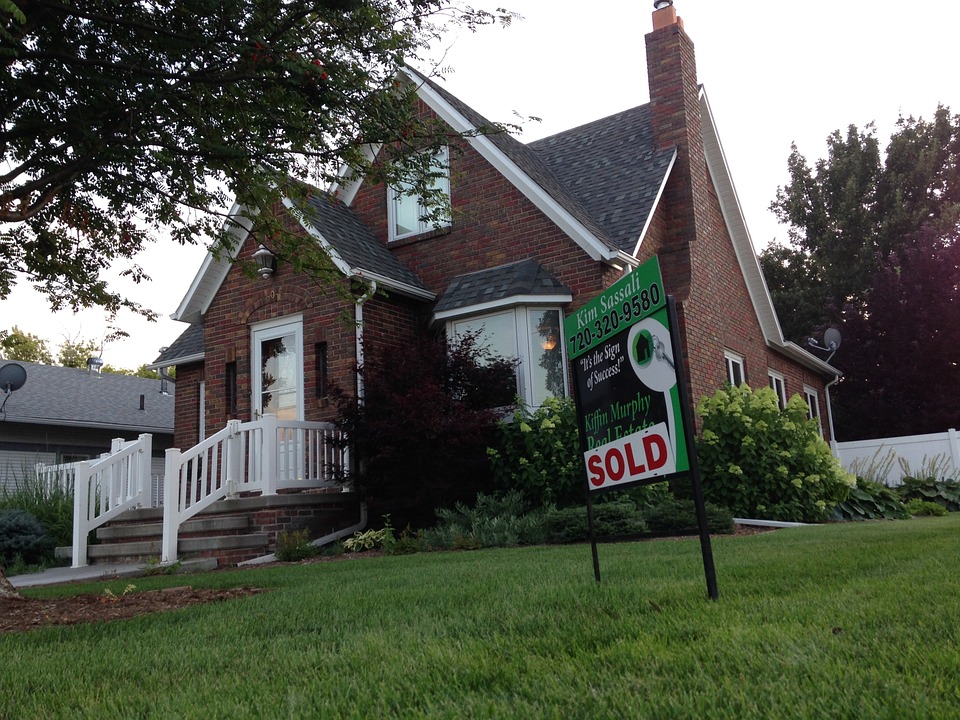
Finding a home can be a long and frustrating process, but it’s important not to rush things. Buying a home is a big decision, and it’s important not to forget any details that could make it hard to live with your disability in your new home.
On the other hand, it’s also important to act once you find something that does meet your needs. Nothing is more frustrating than finding your perfect home and losing it because somebody else bought it before you made up your mind. Take all the time that you need to make sure the home is appropriate, but be sure to act once you are positive that it is.
Look For Support
It may seem impossible to get your own home, but there’s plenty of support out there that can make the process easier. Many government programs, such as those offered by state governments and the federal Department of Housing and Development, offer financial support for disabled people who want to buy a home. Private groups, such as Habitat for Humanity, can also help build or fund a home. These groups usually work very closely with disabled individuals, so they know how to build a home that can meet any special requirements. Those organizations can take more than a year to go from applying to closing on a home, so it’s best to apply as soon as possible if you think they can help you.
Know Your Rights

Disabled individuals face a lot of challenges when it comes to finding a home that meets their needs, so they shouldn’t need to deal with discrimination for landlords or real estate agents. Fortunately, the Fair Housing Act offers protection against that type of discrimination. Discrimination is relatively common in spite of that protection, so it’s important to know your rights before you hunt for a home.
In this case, discrimination includes advertising a home in a way that indicates a preference for people who are not disabled, refusing to sell or rend to a disabled person, or interfering with their ability to exercise their housing rights. They are also forbidden from offering different terms to disabled individuals than they would to anybody else. Disabled individuals are also entitled to make reasonable modifications to their home to accommodate their disability.
In the event of a violation, individuals are entitled to file a complaint to the United States Department of Housing and Development, which will attempt to resolve it. The HUD will start by attempting to reconcile the two parties, but if that fails the matter will go to court. The court can order the landlord to pay compensation to the wronged party, so it’s important for people to know their rights and be willing to fight for them. If you aren’t sure if you have a case, consider consulting an injury lawyer or other legal expert who has experience dealing with cases that involve disabilities.
by David Glenn | Oct 12, 2016 | CRESTICO
The Real Estate market is constantly changing, and home prices are skyrocketing in many cities. Every year, there are new trends. Some people choose to purchase used homes, but most people prefer new homes. Depending on the location and the materials used, a new home can be very expensive. Fortunately, improvements in technology are paving the way for more affordable housing. In the real estate industry, 3D printers are changing the way homes are built in cities and suburbs.
More Affordable Real Estate
When it comes to real estate prices, the land is usually more expensive than the actual house. Population density, proximity to restaurants and retail stores, the local economy and the education system are all factors that affect property values. Homes in rural areas are usually more affordable than homes in urban areas. In recent years, 3D Construction has been introduced to the real estate industry. The automation process is making homes more affordable in suburban and urban communities.
The City and the Suburbs
Every year, millions of people decide to purchase a new home in the city or the suburbs. In the near future, many people will be able to afford homes in affluent neighborhoods. Mortgage payments will be more affordable. Suburban families will be able to afford larger homes, and urbanites will have more expendable income. Low-income people will have better housing options. Millions of young adults are having a difficult time reaching important milestones. When 3D printing becomes mainstream, young adults will be able to live in safe and affordable neighborhoods.
Desirable Neighborhoods and Luxurious Features
A decade ago, construction workers were having a difficult time building affordable homes in desirable neighborhoods. Currently, a 3D printer can build a luxurious home in a desirable neighborhood. The new technology will not eliminate construction workers. Construction workers have to oversee the project.
Boosting the Local Economy
In addition to making housing more affordable, the affluent population will have access to more luxurious features. High-quality construction materials and intricate designs will be more readily available. This technology will have a positive impact on the residential and commercial real estate industry. Commercial buildings will be more affordable and business owners will spend less money on overhead costs.
Quality Construction Materials
The new technology can build pre-assembled HVAC systems and pre-insulated walls. The materials are environmentally friendly. When 3D printers are standard construction industry tools, construction workers will be able to reduce the number of tedious delivery trips. Since many of the construction materials can be loaded into the printer, the materials can be shipped to the construction site. Construction workers can transport lighter loads. This will help construction workers increase their productivity and reduce fatigue. Shipping and handling systems can transport the 3D printer.
Less Wasteful
Currently, most printers can only print materials individually. In the future, the printers will be able to perform multiple functions. In the next few years, the technology may be able to print reinforced plastics with graphene materials. The printers can already build strong concrete walls. This construction method is also less wasteful. Until recently, excess materials were a necessary expense. When a printer handles the construction work, raw materials are not wasted. This construction method will increase the production speed, and it will reduce the construction costs by more than 30 percent.
The new 3D printing technology will benefit real estate professionals, homeowners and construction workers. For many people, owning a home will become an attainable goal. This technology will help create thousands of new jobs in the real estate industry.