
Common Features of the Top Real Estate Investment Properties

Investing in Real Estate is a great way to build wealth over time. Not only do investors get monthly cash flow from renting out properties, but they are also able to access the equity accumulation over time. With that in mind, one of the most important parts of the investing process is finding a home to rent out. You have to think about many years down the road before buying an investment property. A lot of the best rental properties from a financial perspective have common features. Here are some of the most important features to look for when buying an investment property.   Safe Location When looking at a potential real estate investment, you have to look at how to increase the value of the property over time. While renting it out, the person who lives in the property is paying rent. This will usually cover the mortgage payment and then some. In order to increase the value of the home, it has to be in a good area. Although you can spend a lot of money to upgrade your home’s value in the short term, you are really looking for appreciation many years out. Finding the right location is key. You may even have to pay more for a home in a good area, but you should look for a home on the bottom end of the spectrum. Never have the nicest house in the neighborhood if you want to build wealth through your investments.   Close to Work Another important feature of the top real estate investment properties is that they are close to work for people living there. In many places around the country, most of the jobs are in the city. Few people can afford to live in the city, so they look just outside the city in order to find an affordable place to stay. The problem is that no one wants to sit in traffic for hours a day just to get to work.   The sweet spot for a location on a home is to find something that is relatively close to the places that people work. However, you should also price it in a way that it is still much more affordable than living directly in the city. This is why so many cities are seeing a huge increase in rent prices over the past few years. The demand for these rental homes has never been higher in many parts of the country.   Upgraded Home Options There are also upgraded home options that many people look for when choosing a home. Most of these options are easy to put in, and they greatly increase the chance of your home’s value going up over time. Interior glass doors are easy to install and do not cost a lot of money. This is just one simple example of something that you can do as an owner to make the place look nicer for the people who are living there.   Many people who have had success investing in real estate say that you should upgrade your property as much as possible over the years to increase the value of the home. However, you have to think about the cost to do so versus the return. Buying a home in the right area is really the biggest aspect of increasing the value of the home over time.   Next Steps If you are interested in investing in real estate, you need to look for properties that have these common features. Location is the most important variable to look at, but there are also inexpensive upgrades that you can make on a home to increase the value of the property.
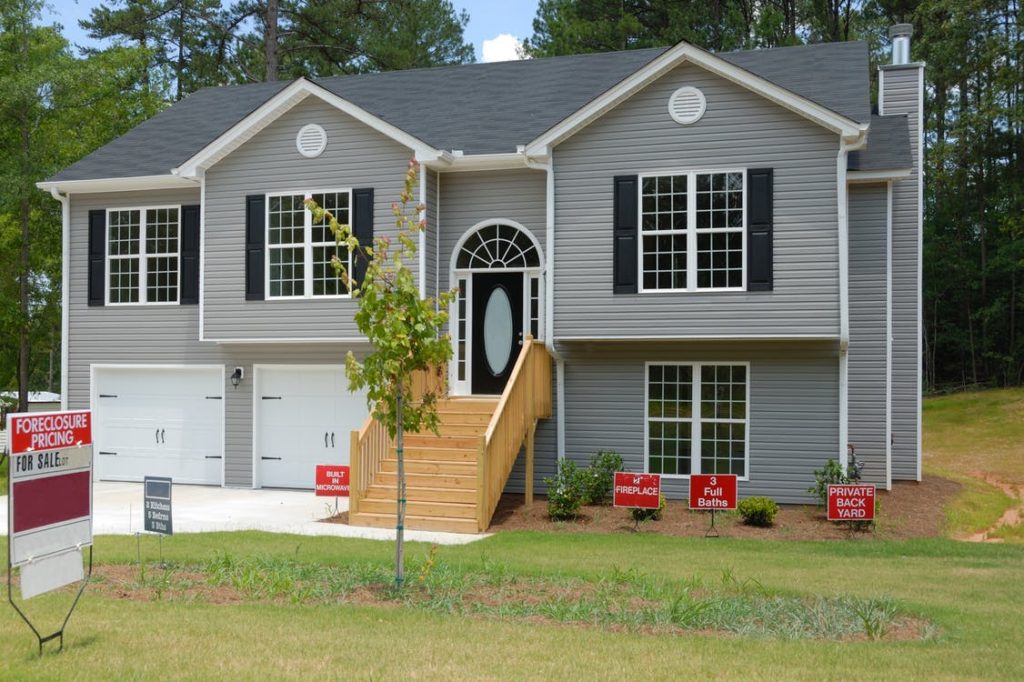
3 Ways to Increase ROI When House Flipping

One excellent investment opportunity that can make you a lot of money is house flipping. If you purchase properties at a cheap price and then turn around and sell them for a much higher price, you can make quite a bit of money, often in a relatively short period of time. However, not all house flipping investments really work out that well. If you are looking to increase the return on your investment so that you can really make house flipping worthwhile, consider these helpful tips.

  1. Make Sure That You Purchase the Right Properties

First of all, it is important to be careful about the properties that you purchase. You will need to look at a few things, such as how much it’s going to cost to fix up the house and how much the house is going to be worth later on.

For example, even though you might find a property that is available very cheaply, it might not be a good investment if the work that needs to be done is going to be very costly. If you can find a home in a nice neighborhood that mostly needs affordable work done, such as cosmetic repairs, then you might be able to buy it at a rock-bottom price and then turn around and sell it for a very nice profit.

Don’t get into too much of a rush when buying investment properties. Instead, take your time in really looking into the repairs that may be needed and how much they are going to cost and really studying the market in the area that the home is located in. This can help you make the right decisions.

  1. Do As Much of the Work Yourself as You Can

One big way that you can cut a lot of your costs when house flipping is by doing as much of the work yourself as you can. With many home repairs, the largest cost comes from hiring someone else to do it. If you have to pay out a lot of money in labor costs, this is going to drastically cut down on how much you actually pocket after you sell the home.

Even though you might need to hire a professional for certain things, such as electrical work, you may want to tackle some of the smaller and easier projects yourself. For example, interior painting is relatively easy for anyone who has a bit of time and patience. There are even products on the market that make basic home improvements a whole lot easier for the average person, such as locking laminate flooring and stick-down backsplashes. Plus, once you learn how to tackle some of these projects, you will be able to use this new knowledge both in your own home and in any future homes that you might purchase with the intent of flipping.

  1. Sell the Property On Your Own

Another big way that you can lose out on some of your profits is by hiring a Real Estate agent to help you sell the property when you put it on the market. Even though you might assume that this will make things a whole lot easier for you, you should think about how much the real estate agent’s commission will cut into your profits. If at all possible, you may want to think about listing the home yourself.

A for sale by owner process can be easier than you might think, especially now that there are tons of ways that you can advertise the property yourself online. If you need a little bit of help with the paperwork, you can also look into having a real estate lawyer assist you to ensure that everything is done properly, all without the help of a real estate agent.

As you can see, if you are looking to make a nice profit off of house flipping, there are a few tips that you can follow. This can help you make even more off of your investments.


Lessons most real estate investors learn the hard way

Investing in real estate can be one of the most exhilarating things an investor does. There is a thrill that comes with finding a good deal, improving a home and, making a killing off of the sale. Most real estate investors don’t start out that way, however. In fact, many, if not most, real estate investors will tell you that they have made many mistakes and lost quite a bit of money as well. They will also tell you it was worth it because of the lessons learned that could be utilized later down the line.

Here are a few mistakes real estate investors typically make in the beginning. Avoiding them can save a lot of heartache.

Hard money

Hard money loans can be an incredible tool. If you have not heard of hard money loans, they are quick loans that are based on the value of the asset (the home, or piece of real estate) instead of the person getting the loan. This means someone with bad credit good get a hard money loan, as long as it is a good deal and the house is worth a lot more, or has a lot of potential.

Hard money loans are usually less than a year, and are just used to snag a quick deal, maybe fix things up, then sell or convert to a regular loan. They have incredibly high Interest Rates – often as high as fifteen percent.

Because of the high interest rates, investors usually hold hard money loans for as little time as possible. If a mistake is made and they end up holding the loan significantly longer than expected, the interest expenses can rack up and put them in a miserable place. If they hold past the original time of the loan, things can get really ugly.

Simply put, if you are going to use a hard money lender, be careful, have exit strategies and backup exit strategies to be sure you are not stuck holding the bag.

Signals

Most good investors are able to use signals and see when the signs point to selling and when they point to buying. If you are able to recognize these signals then you are able to capitalize much quicker and make money much faster.

Research

If you think you are getting a good deal on a piece of property then it is time to be careful. There is often a reason a piece of property is priced the way it is. While good deals do exist, bad deals disguised as good deals also exist.

Research the neighborhood, the history of the home, the future of the area, rental prices, the real estate market as a whole, and everything else you can think of. If everything checks out, you can feel confident in the deal you are getting.

Understand expenses

Your mortgage will absolutely not be your only expense. There will be random expense all along the way. Try to have an emergency fund for when something big comes up. New investors are often surprised to realize how much some home repairs can cost. One recommendation that some investors will give is a home warranty. A home warranty is a warranty that gives you the ability to insure almost everything in your home that can break. From water heaters, stoves, microwaves, refrigerators, and more. While these are not killer expenses if broken, it may be a good idea to have a warranty in place until you have a large enough savings that you can replace and repair these items yourself.

This list is not comprehensive in the least. New real estate investors make mistakes every day. It will happen no matter how big the list. Find a mentor who has done what you are looking to do. Get advice and confirm your first few deals with them. Someday you may be that very mentor.

5 Tips to Buying a New Home

Purchasing a new home is usually a complicated and stressing experience. One wrong move can kill the deal in minutes. You have to play it safe to get what you want. Here are some key tips you need to consider.


Know What You Want

A Real Estate agent can only help if you know exactly what you want. Be specific about your requirements so that the agent can identify the right house for you. This may include the number of bedrooms, type of exterior, floor plan, security of the neighborhood, noise level and desired footage. You might also consider the distance of the house from the grocery stores, schools, restaurants, highways, hospitals and places of worship. Knowing exactly what you want will minimize surprises and enhance the quality of search. You will also save a lot of time spent in evaluating various homes you come across.


Get Your Loan Pre-approved

You can apply for a mortgage to finance your house in a cheaper and more convenient way. However, you need to make sure it is pre-approved before you proceed with the buying process. Make sure your credit score is within the acceptable limits to get pre-approved with the best interests possible. Avoid a new debt, as this will complicate the process and reduce the amount you qualify for. You should also consider paying down your consumer debt since most banks factor in your debt-income-ratio when approving your application. It is wise to get pre-approved for the mortgage before bidding on a house to avoid major disappointments associated with failed applications.


Choose a Good Real Estate Agent

Choose a real estate agent who can communicate and listen to your demands. A good real estate agent should also be in a position to adjust well to your needs and work within the set timeline. There are about two million active real estate agents out there, so you need to employ effective strategies when selecting the most suited person for the job. Choose a real estate agent by looking at his track record. Let him provide you with at least 20 past clients. Ask the clients about their overall experience with the agent and whether he worked up to their expectations. You can also do some research online or ask friends and family members who have had a previous experience with a real estate agent for recommendations. Above all, ensure the agent is fully certified and licensed by the relevant state agencies.


Consider Location

You surely don’t want a home that is located in a place with no good highways, grocery shops or schools. For instance, a place with poor roads will only damage your vehicle and increase the premiums in your auto insurance coverage. Convenient access to popular places, restaurants and shops will make your life easier and enjoyable. Be aware of things associated with a bad location. A home in a busy intersection or near a fire station will make the environment very uncomfortable. Same applies to homes located in open neighborhoods with no security provisions.


Save Enough Cash

There are a lot of things that come with buying a new home. You need to have enough money to sort them out quickly when they come up. Some of the related expenses you will have to deal with include earnest money deposits, home appraisal and home inspection. Running out of money when the deal is in the middle will force you to pull out. You don’t want to find yourself in this situation, especially if the house has all the things you always wanted. You should also expect your mortgage financier to ask for a down payment ranging from 3.5 to 5 percent.

About one million Americans buy new homes every year. You could be among them, but only if you employ effective strategies when purchasing your new home. The tips discussed above could help you make prudent choices when selecting the home you want for your entire life.


Finding a Home that Matches Your Personality

A house isn’t just a place where you can walk around in your undies or for eating ice cream right out of the tub. A home aligns with your personality and your preferences. Every corner, crevice, and arrangement of rooms and beams all embody the homeowner and define how he/she lives. Finding the right property that offers adequate space and comfort, a good price point, and real value can be tricky, however, thanks to the dozens of property listings you’ll find in the market. Here are five tricks to knowing when you’ve found the perfect abode.

Define Who You Are

This doesn’t mean you should go on a self-discovery phase before finding a house. On a profound level, determine who you are as a person and as a professional. What career changes do you expect to encounter in a 5- or 10-year period? Are you planning to have children or pets in the house? Are you a gardener or a woodworker? Do you like throwing parties for friends and family or just enjoying weekends in peace and quiet? Knowing the answers to these questions will put you at a much better position to find a home that supports your lifestyle choices.

Know What Types of Housing Exist

Luckily, there are fewer housing types than there are personalities. Still, it makes sense to understand and embrace the different types of housing accessible today. Single-family homes, townhouses, and condominium units are three of the most popular types of housing. Townhouses are basically a hybrid between the more expensive single-family house and the least-spacious condominium unit. While condos are definitely a good investment, especially if you buy around business centers and well-developed locations, the idea of having neighbors around you doesn’t really appeal to some aspiring homeowners.

Consider Buying an Existing Home

Buying an existing house instead of having one built from the ground up is usually the more affordable and faster option on the table. Although it may not precisely match what house you envision for you and your family, being able to pick from a wide selection of houses that’s ready for you to move into is a decent trade-off. You can choose houses based on the included amenities, such as a garden, patio, or swimming pool, or even based on style. Some fleece covered furniture, for instance, might be preferred by buyers over wool or other materials.

Filter Choices Based on Pricing

Houses that align with your personality but cost too much are never a smart investment. Buy or finance housing that you are comfortable paying for over a stretched period of time. Narrow down your choices based on houses that meet your budget. Establish a ceiling and floor price range. When negotiating with sellers, try to keep the numbers from crossing the established ceiling and floor prices. If they cannot meet you halfway, then walk away. There’s always somebody else somewhere that could meet your budget requirements.

Ask Trusted Family or Friends to Help You

Who else to advise you on what would be the right home for you than trusted family members and close friends? These people have spent a considerable amount of time with you so they have a good idea of who you are and what you really want. In some cases, their suggestions might make even better sense since they’re able to make objective decisions. You, on the other hand, might be stepping too close to the project that you overlook some important details or refuse to consider some mitigating factors out of bias.

Finding the perfect home that matches your personality will take some degree of effort that few aspiring homeowners are genuinely willing to take. With the five simple tips above, you’ll be able to find a suitable home for you and your family without breaking the bank or compromising design and comfort.