What You Can Use Fixer Upper For?
Every year in the USA, there are millions of existing homes that are bought and sold. These homes come in all shapes and sizes, as well as in various conditions. While some people want a move-in ready home, others might want a fixer upper.
When many people buy a fixer upper home, they are doing it so they can quickly Fix and Flip the home. Fixing and flipping a home is buying it for a cheap price, fixing it up quickly and relatively affordably, and then selling it for a profit.
However, fixing and flipping isn’t the only use for a fixer upper. The costs can add up, a lot of work is involved and the time it can take to sell the home can be plentiful. With that in mind, this article is going to look at a few other ways to put your fixer upper to good use.
![]()
As an Airbnb
When people used to visit or stay in a new city, they would almost always stay in a hotel. However, in recent years, that has begun to change. A big reason for this is Airbnb. Airbnb allows anyone to rent out their home by night, similar to how a hotel will rent out a room. This often gives customers more bang for their buck, and allows homeowners to make money without doing a thing.
Sure, you will have to keep the place clean, stock it with items and perform a bit of customer service, but that is a small price to pay for what you can make. You will need to fix up your fixer upper to a point where it is livable, but renting it out nightly through Airbnb is significantly less work than completely renovating it and selling it.
![]()
As a Vacation Rental
While this will depend largely on where you live, you could also rent your home out as a vacation rental. For example, millions of people travel to California every single year, and they need a place to stay. If your fixer upper home has a good location, it could be perfect as a vacation rental.
You could rent it out weekly or monthly to interested parties, and potentially make thousands of dollars. You will need to update it and ensure it functions well and looks nice, but think of this as an investment than a cost. Sure, selling a house from ISoldMyHouse.com can be a good idea and can net you a lot of money, but be sure to consider putting the home up as a vacation rental as well. This could allow you to make a good amount of money, without actually having to lose the asset.
As a Standard Rental Property
Another option instead of fixing up and selling your fixer upper is to fix it out and then rent it out. Being a landlord is indeed some work, but can be incredibly fruitful financially. Depending on the size, location and look of the home, it can be rented out to families, couples, university students or anyone.
Oftentimes, you will essentially be able to get your mortgage paid for if you rent out the home. In some cases, you may even be able to charge more in rent than your mortgage if you include utilities or internet. While you will essentially be breaking even for a little, once the mortgage is paid off, the rent you collect will be nothing but pure profit.
In conclusion, there are many different things you can use a fixer upper for, in addition to simply fixing and flipping it.
The Hottest Home Staging Trends to Sell Your House in 2020
Two-shade curb appeal
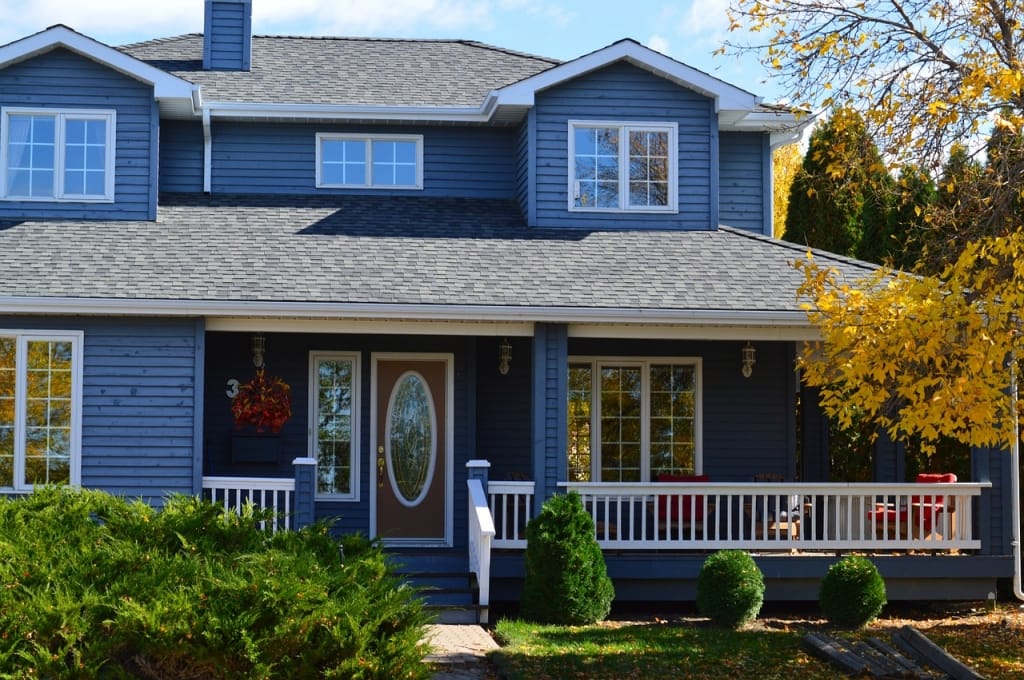
The potential buyers’ first glimpse will be to the exterior of your home, so you would need to work a bit on the curb appeal. One thing that doesn’t change with years is that first impressions matter and an unattractive exterior can lower the general opinion buyers form about the property. What would fit into the 2020 trends is a two-shade exterior: choose a color that you like, that is, two of its shades (we recommend one to be night watch green) and that would take the estheticism to the next level. As for the walkway pavers, emphasize the color with a stone sealer and when the spring comes, plant flowers of vibrant colors to attract the buyers in swarms.Add a breath of luxury
An ostentatious interior is not only unappealing to most buyers but it also makes them start pondering over the money they will need to keep it in that state. However, luxurious elements don’t have to be pretentious or expensive because they don’t necessarily include a grand piano in the living room or a spa in the bathroom. A few subtle elements are enough and placing them at places that are not that obvious would give the house an additional charm. For instance, you can choose affordable plaster ceiling panels for your living room ceiling and be sure that the exquisite ornaments would be the selling feature of the house. They come in different patterns so it will not be difficult to find the one that will fit perfectly into your living room.Illuminate the space
Most people dislike dark houses and dull brown walls will be enough for them to run away any year, not just in 2020. So, what you want to do is to open the curtains and the windows (if the weather allows you) to let the light into the house. Everything would get an elegant golden hue, while the floral ornaments on the ceiling would seem as if they are in full bloom. If the buyers can only come after the sunset, don’t worry, the light is still your best friend so you can purchase a few modern lamps that stand on the floor and place others on the table and that would give the house a romantic tone, perfect for couples looking for a place to settle.Accessorize with unique items
What your house needs to have in 2020 is some statement items: those unique pieces of furniture or decorative elements that dominate the room. It can be an old rocking chair you got on the flea market and repainted or a vintage coffee table that belonged to your grandparents. Old items have the charm your house needs, and the best thing is that you can transform them into something new. Getting that one item doesn’t have to be expensive and it can boost the attractiveness of your house severely. With 2020 waving at us just around the corner, it is already time to start considering the tactics for staging your house if you wish to sell it swiftly. Luckily, these trends are neither high-priced nor will they take too much time to be put into effect, so with some good marketing, you will sell your house in no time.How to Remodel Your Home to Have a More Relic Feel


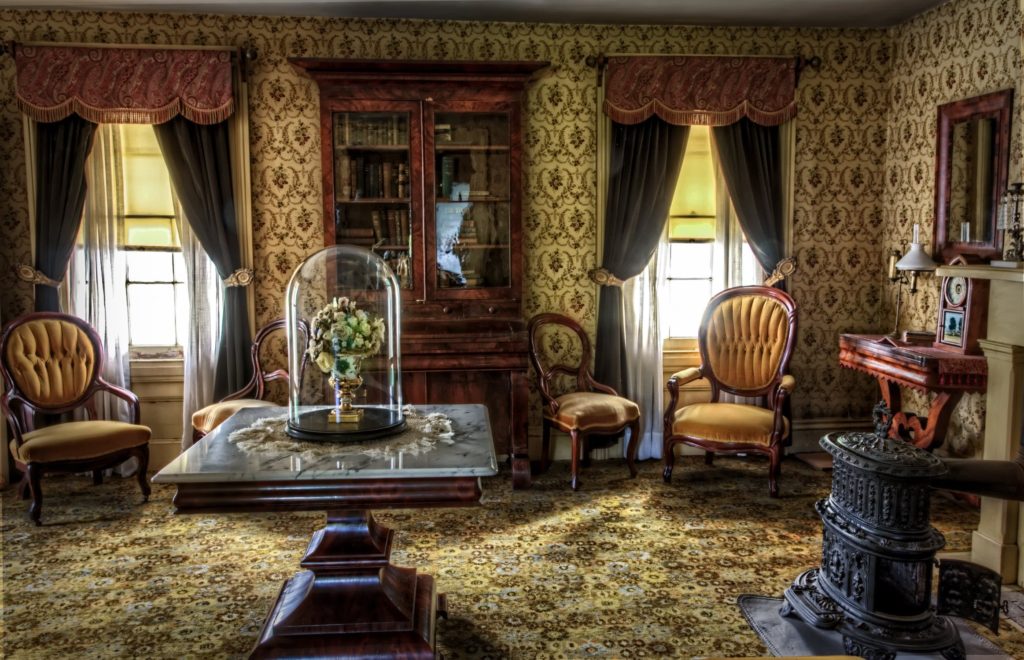
When remodeling your home to give it a more vintage feel, there are some tips that can help you get the look you want and save you money at the same time. By doing the remodel yourself, you may be able to find deals on genuine vintage items at a lower cost than the faux vintage items an interior designer might use. Additionally, consider these suggestions for making your home look more traditional and feel inviting to your family and your visitors.
Lighting Décor Really Drives the Ambiance Home
One of the most important concerns in choosing décor for your home is how it will contribute to the overall theme. By selecting period-appropriate lighting, you can reinforce the idea that your home is a step back in time. Today, many lighting companies recreate vintage looking appliances that work on today’s power consumption and energy conservation requirements. You may find gas lanterns that have been refurbished to provide electrical lighting or antique lamps that have been rewired and rated efficient for use in the modern environment.
If you can’t find exactly what you’re looking for, don’t give up in frustration. Many lighting companies will take on custom orders, if you contact them and describe what you want. Suppose you have old lanterns and you want them rewired and updated for today’s standards. You can request an estimate from a local lighting company, or you might prefer to go to a certified electrician to do the job for you. Either way, a little research will uncover options you might not have otherwise considered.
Color Helps Create Authenticity
Suppose your remodeling is almost done and you have all of the furnishings and décor to give your home a vintage look from your favorite era. All that’s left to do is slap on some paint. Easy enough, but, if you’re not careful, the color you choose could throw off that authentic feel completely. That’s because each era has its own color palette.
For instance, the 1900s saw a culture rebelling against the industrial revolution, so most homes were dressed in soft and neutral hues. It was also the heyday for Frank Lloyd Wright’s organic take on architecture. Everything from structure to color was intended to create a calming effect and help to take people away from the dirty, bustling industries now overcrowding Main Street. The best colors to use for this era are pale pinks, ivories, light greens, and soft oranges.
It may take some research, but you can find the best color schemes for whatever era you’re hoping to recreate. If you are trying to give your home a vintage look, why not go the extra mile and ensure you’re using the best color choices?
A Word About Moldings and Fixtures
By adding crown moldings and wainscoting to any wall or door, you can enhance the beauty of the room. In a darker room, add white wainscoting to create contrast, while also choosing a style that enhances the vintage theme of your home’s redesign. Adding wainscoting to wine cellar doors can help them stand out and create a focal point in the room.
Similarly, it’s important to select the right fixtures and tiling for your home. Much like the lighting, many manufacturers create vintage fixtures that are functional and adapted for modern homes. They’re most commonly found in big chain hardware stores or online, but you may also be able to find genuine vintage fixtures in antique stores or at flea markets. In selecting the right fixtures, pay special attention to the texture and character of the items to ensure they’ll enhance the theme of your home.
Tile flooring can also be found in a variety of styles, many speaking to decades gone by. If you’re uncertain what to choose, traditional black and white tiling is an excellent default choice. It has often been used for kitchens and bathrooms in a number of eras. You might also choose rustic-looking wood tiles or stone tiling, depending on your chosen era.
Conclusion
When remodeling your home to fit a specific theme, special care has to go into every aspect of the redesign. Many of your fixtures, lighting appliances, and décor may best be found at yard sales, antique stores, and flea markets, while hardware stores offer a wide selection of moldings and wainscoting. In paying attention to the smallest details, you can create an overall ambiance that may even exceed your dreams.
5 Things to Look for When Buying Your First Home
Congratulations! You’re about to become a homeowner! It’s both an exciting and terrifying time, as you navigate the Real Estate marketing looking for an affordable home that you also love. There are a lot of factors you may know with buying a home and it’s important that you know them before making the big decision. As you take a big step towards home ownership, below are five important things to consider when buying your first home.
1. The Roof
A roof in need of repair should be among the first features to check before settling on a property. Take a look at the roof before even entering the home. What material is it? Some roofing materials last longer than others. Consider the stability of the roof in relation to the environment the house is in. For instance, if the place is windy, then you will need a very sturdy roof. Look at the roofline for deflections. Watch out for damaged or detached shingles that can cause leaks. 2. A House Is An Investment Keep this in mind when you are buying your new home because there could come a time when you may need to sell it. This is where all that maintenance will come in handy. By keeping everything in tip-top shape, the value of your home will also stay in good shape. In addition, when looking at homes, take note of what DIY projects you can do to help increase the value of your home. From installing glass doors in your home to replacing the carpet with wood flooring, you’re options are endless when you treat your house as an investment.
3. Property Taxes
Owners of real property must pay property taxes. In many cases, your mortgage lender will collect this as part of the monthly mortgage payment, otherwise, the homeowner must pay on their own. Also, find out how often the county you are moving to reassesses tax valuations and determine the last time your property was assessed in order to prepare for potential changes.
4. Is Everything Up To Code?
The ASHI Standards of Practice states that home inspectors are required to report on unsafe conditions, but you may also want to have a code inspector look at the property. If anything is out of code, then it’s your responsibility as the new homeowner to fix it. In addition, always do a home inspection. A home inspector has a checklist covering the roof to the basement and everything in between. Having an experienced home inspector can save you headaches in the future, especially if they uncover major structural issues that could make or break the sale. If you don’t mind a “fixer upper”, then this would also give you an idea of the potential work that you have ahead of you. However, if there is more work than either you or the seller can reasonably fix, then you might need to consider another option.
5. Land/Neighborhood
Don’t spend too much time evaluating the house that you disregard the land it is on. Learn the characteristic of that piece of land. Does it have a tendency to flood? If you are planning to get an in-ground pool, a rocky ground will present some limitations. Analyze the fencing and landscaping options that the land offers. Consider the parking space that you will have as well. At the same time, drive around the neighborhood to get a feel for your potential neighbors. Are there more retired couples, families or singles in the area? This is key if you have family—finding out if you live near families with kids around the same age as your own. Do some research online as well to see crime rates, registered sex offenders, etc in the neighborhood. All in all, keep these five tips in mind when on journey towards homeownership.